

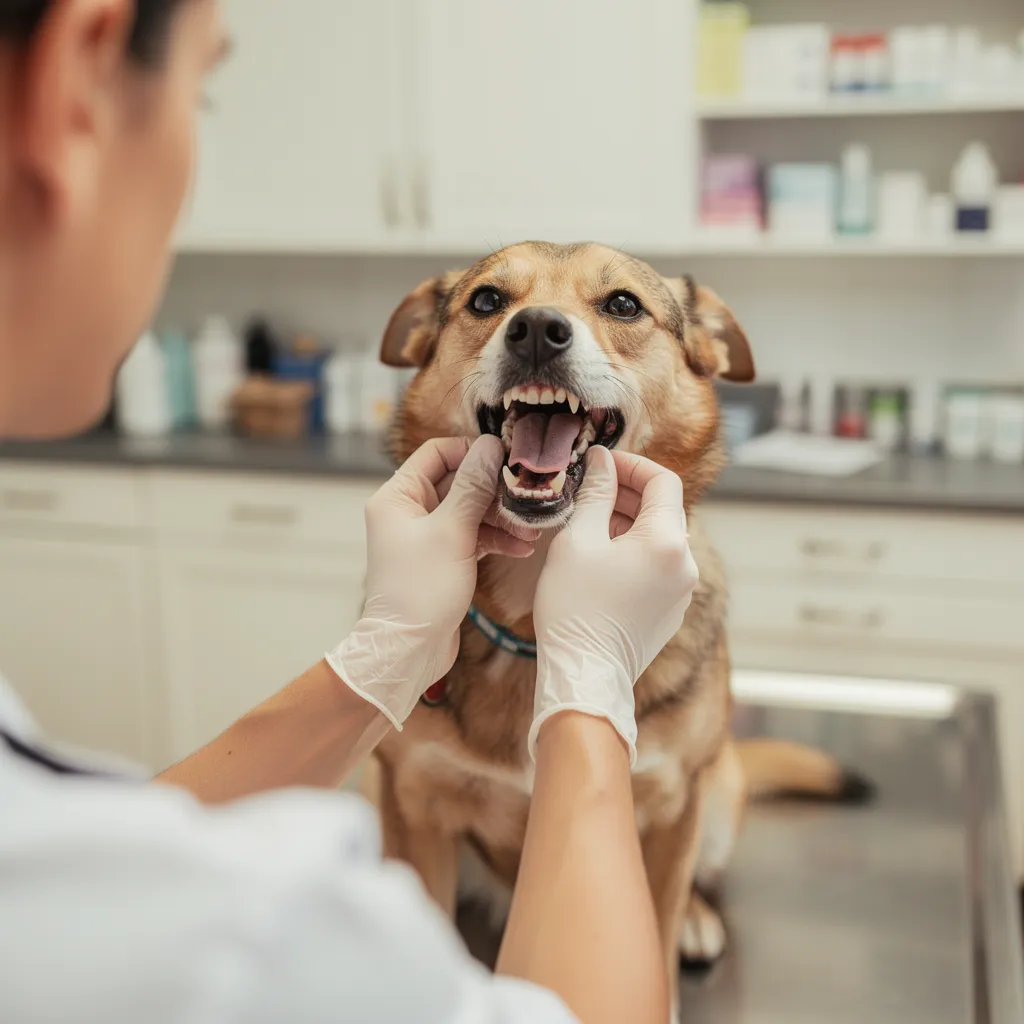
When it comes to What Are the Potential Health Risks if I Skip My Pet’s Dental Care?, neglected dental care in dogs and cats leads directly to gum disease, tooth decay, and painful oral infections. And by age three, many pets may begin to show early signs of dental disease. Left untreated, bacteria from the mouth enters the bloodstream, raising risks for heart, kidney, and liver complications, turning a cosmetic issue into a whole-body health threat.
Why Does Bad Breath Signal Bigger Problems?
Bad breath marks the earliest warning sign that dental disease has already taken hold, not a harmless quirk to ignore. Persistent odor comes from bacteria breaking down gum tissue, and that damage rarely stays contained to the mouth. Left untreated, the same bacterial buildup causes swollen gums and eventual tooth loss, revealing the potential health risks pet owners face when dental care gets skipped.
What does bad breath in a dog or cat actually mean?
Odor that lingers signals active bacterial growth, not a normal condition to tolerate. Dismissing it as “just doggy breath” risks overlooking gum disease that’s already progressing beneath the surface.
Wellness Animal Hospital treats bad breath as a diagnostic clue rather than a cosmetic complaint. Exams there go beyond a quick peek at the teeth; thorough exams paired with advanced protocols help the veterinary team trace odor back to its source, whether that source is early gum inflammation or an abscess forming below the gumline. Catching these changes early protects far more than a pet’s smile.
A pet’s mouth often tells owners what the rest of the body can’t say directly. Because Wellness Animal Hospital treats every patient like family, subtle shifts in breath never get waved off as normal aging or diet. cite-3
Warning signs worth a same-week phone call include:
- Breath odor that persists despite regular feeding and water access
- Gums that look red, swollen, or bleed during chewing
- Visible tooth discoloration, loose teeth, or dropped food
Should bad breath alone prompt a vet visit?
Yes. Odor rarely appears alone once disease has progressed, so waiting for additional symptoms delays treatment.
The hospital’s stated mission centers on a longer, happier life for every pet, and that mission starts the moment bad breath gets noticed rather than dismissed. cite-3
How Does Plaque Turn Into Periodontal Disease?
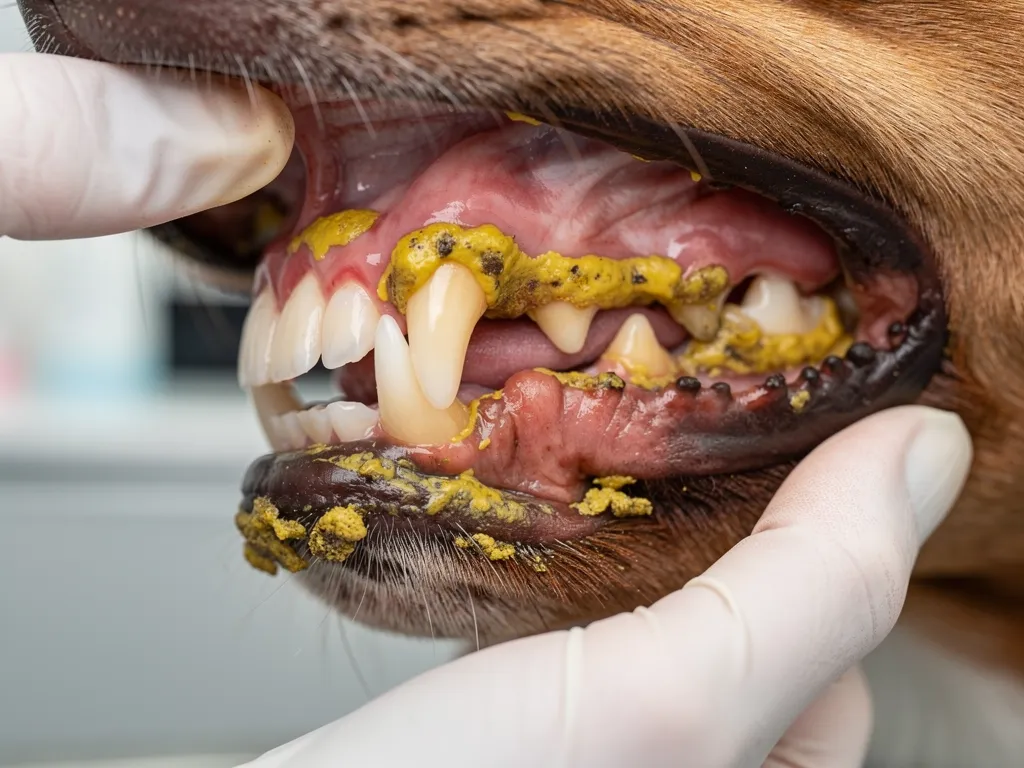
Plaque hardens into tartar within days of forming on a dog’s or cat’s teeth. Untreated tartar drives the entire disease process. Left unchecked, plaque buildup progresses into gum disease, tooth decay, and painful infections that reach far beyond the mouth. That progression happens quietly, often without a single visible symptom to warn an owner something is wrong.
By age three, many dogs and cats may already show signs of dental disease. No yelping, no obvious swelling — just a slow buildup happening beneath the gumline. This silent timeline is exactly why waiting for visible symptoms puts a pet’s health at serious risk.
What Are the Stages of Plaque Turning Into Periodontal Disease?
The shift from plaque to periodontal disease follows a predictable pattern:
- Plaque formation — a soft film of bacteria coats the teeth within hours of eating.
- Tartar hardening — untreated plaque mineralizes into a hard, textured layer.
- Gum inflammation — bacteria irritate gum tissue, causing redness and swelling.
- Tooth and bone damage — untreated infection erodes supporting structures, leading to pain and eventual tooth loss.
Can a Vet Catch Periodontal Disease Before It Gets Painful?
Wellness Animal Hospital applies a higher standard of veterinary medicine designed to catch periodontal disease before it reaches painful, advanced stages. cite-3 That standard includes cutting-edge technology typically reserved for high-end human hospitals, giving veterinarians a clearer, more accurate view of what’s happening beneath the gumline. Early detection through this kind of exam changes the outcome for a pet’s long-term comfort. Health, catching problems while treatment is still simple rather than urgent.
Can Dental Disease Really Harm the Heart?
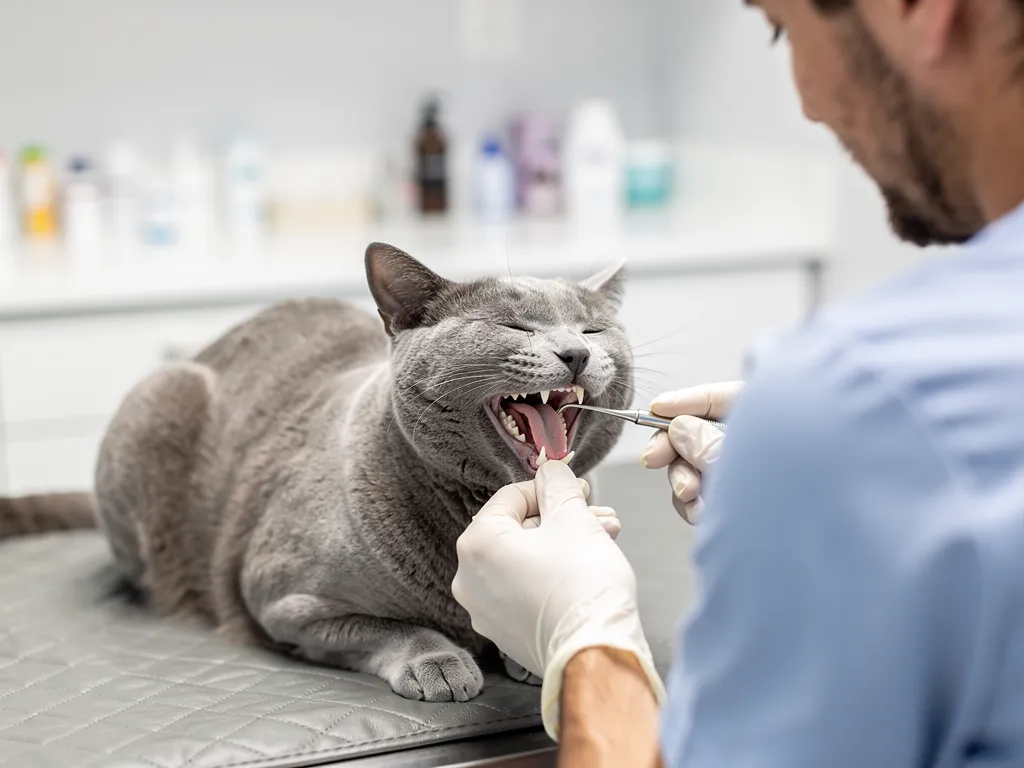
Yes—untreated dental disease poses serious health risks, particularly to the heart. Bacteria colonizing inflamed gums doesn’t stay confined to the mouth. Left unchecked, those bacteria enter the bloodstream and travel to vital organs, including the heart, kidneys, and liver.
This isn’t a minor cosmetic concern. Neglected oral hygiene can quietly set the stage for serious systemic illness, with heart disease listed among the documented long-term consequences. A dog’s swollen gums or a cat’s tartar-crusted molars may look like a local problem. The bacteria they harbor don’t respect boundaries.
Why does mouth bacteria affect organs so far from the teeth?
Blood vessels in inflamed gum tissue become porous, allowing oral bacteria a direct entry point into circulation. Once bloodborne, these organisms lodge in organ tissue and trigger inflammation far from where the infection started. That’s why a cracked tooth or receding gumline deserves the same seriousness as a heart murmur.
Wellness Animal Hospital’s philosophy treats every patient like family, and that commitment extends beyond fresh breath. Whole-body health depends on catching oral bacteria before they reach the bloodstream, not after. The practice’s more thorough exams and advanced protocols exist precisely because outcomes for the heart, kidneys, and liver are tied to what’s happening in the mouth.
Consider what’s at stake when dental care gets deferred:
- Bloodstream contamination from untreated gum infection
- Organ inflammation in the heart, kidneys, or liver
- Delayed detection of disease that started as simple plaque
Pet owners who notice bad breath or tartar buildup shouldn’t wait for obvious pain. By the time symptoms surface, bacteria may already be circulating well beyond the gumline.

What Happens If Tooth Pain Goes Unnoticed?
Silent suffering describes most oral pain in dogs and cats. Untreated tartar buildup progresses steadily from sticky plaque to hardened tartar, then to gum disease, tooth decay, and eventual tooth loss. Cats and dogs rarely whine or paw at their mouths even when infection has taken hold. Owners often assume a pet is fine simply because eating habits look normal.
Painful oral infections tied to plaque and tartar can build silently for months. A pet may keep eating, keep playing, and keep wagging its tail while bacteria erode gum tissue beneath the surface. By the time swelling, drooling, or a swollen face appears, the infection has usually advanced well past its earliest, most treatable stage.
How Can Pet Parents Tell If Their Pet Is in Pain?
Behavior changes are often the only clue available, and they’re easy to miss. Watch for:
- Chewing on one side of the mouth
- Dropping food or avoiding hard kibble
- Pawing at the face or rubbing it on furniture
- Reduced interest in chew toys
At Wellness Animal Hospital, a family-style philosophy shapes every exam. Clients are treated like extended family, and pets receive the same close attention paid to a trusted relative. That familiarity helps the care team notice subtle shifts in behavior that a pet cannot describe in words.
Why Does Location Matter for Catching Dental Pain Early?
Proximity to consistent veterinary care shortens the gap between suspicion and diagnosis. Wellness Animal Hospital serves the Lakewood Ranch, FL community, giving local pet owners a nearby resource the moment something seems off. Waiting rarely resolves dental pain; scheduling an exam does.
How Often Should You Schedule Dental Checkups?
Dental checkups belong on the calendar as part of every routine wellness visit, not as an afterthought once a pet’s breath turns foul. Skipping that rhythm raises the odds that plaque and hidden infection take hold before anyone notices a problem. Catching trouble early matters: regular dental checkups help veterinary teams catch problems early, prevent pain, and lower the risk of complications down the road.
Wellness Animal Hospital builds its higher standard of medicine around this proactive mindset. Dental exams get folded into standard wellness care, rather than reserved for emergencies. Because pet owners are treated like family, the team takes time to guide them toward scheduling checkups before visible symptoms appear, not after a pet stops eating or starts pawing at its mouth. cite-3
Can a checkup catch problems before symptoms show up?
Yes. Cutting-edge technology, the kind usually reserved for high-end human hospitals, allows veterinarians to spot dental disease during a routine exam long before an owner would ever notice a change at home. cite-3 That early detection window is exactly why consistent scheduling matters more than reacting to bad breath.
What happens if checkups get skipped for too long?
Gaps in care let small issues progress quietly. Since dental disease develops beneath the gumline, an owner-facing wait-and-see approach means bigger, more painful problems by the time symptoms surface. A steady checkup rhythm, paired with professional guidance, keeps small issues small and protects a pet’s long-term comfort and health.
FAQ
What health risks arise from neglecting pet dental care?
Neglected dental care leads to gum disease, tooth decay, and painful oral infections. Bacteria from the mouth enters the bloodstream, raising risks for heart, kidney, and liver complications.
Why does bad breath indicate a bigger problem?
Bad breath marks the earliest warning sign that dental disease has already taken hold. Persistent odor comes from bacteria breaking down gum tissue, leading to swollen gums and eventual tooth loss.
How does plaque progress into periodontal disease?
Plaque hardens into tartar within days, mineralizing into a hard layer that irritates gum tissue and causes inflammation. Untreated infection then erodes supporting structures, leading to pain and eventual tooth loss.
Conclusion
Skipping dental care rarely looks dangerous at first — a little bad breath, some tartar along the gumline, a pet that still eats and plays as usual. But as this guide has shown, that quiet buildup is exactly what makes dental disease so risky: plaque hardens into tartar, tartar inflames the gums, and bacteria from that inflammation can travel into the bloodstream and reach the heart, kidneys, and liver. By the time swelling, drooling, or obvious pain shows up, the problem has usually been developing for months.
The good news is that this progression is preventable. Watching for early warning signs like persistent odor, red or bleeding gums, and changes in eating or chewing habits — and pairing that vigilance with routine dental checkups — gives pets the best chance of catching trouble while it’s still simple to treat. Wellness Animal Hospital builds dental exams into everyday wellness care for exactly this reason: protecting a pet’s mouth is protecting the rest of the body, too.

Leave A Comment