


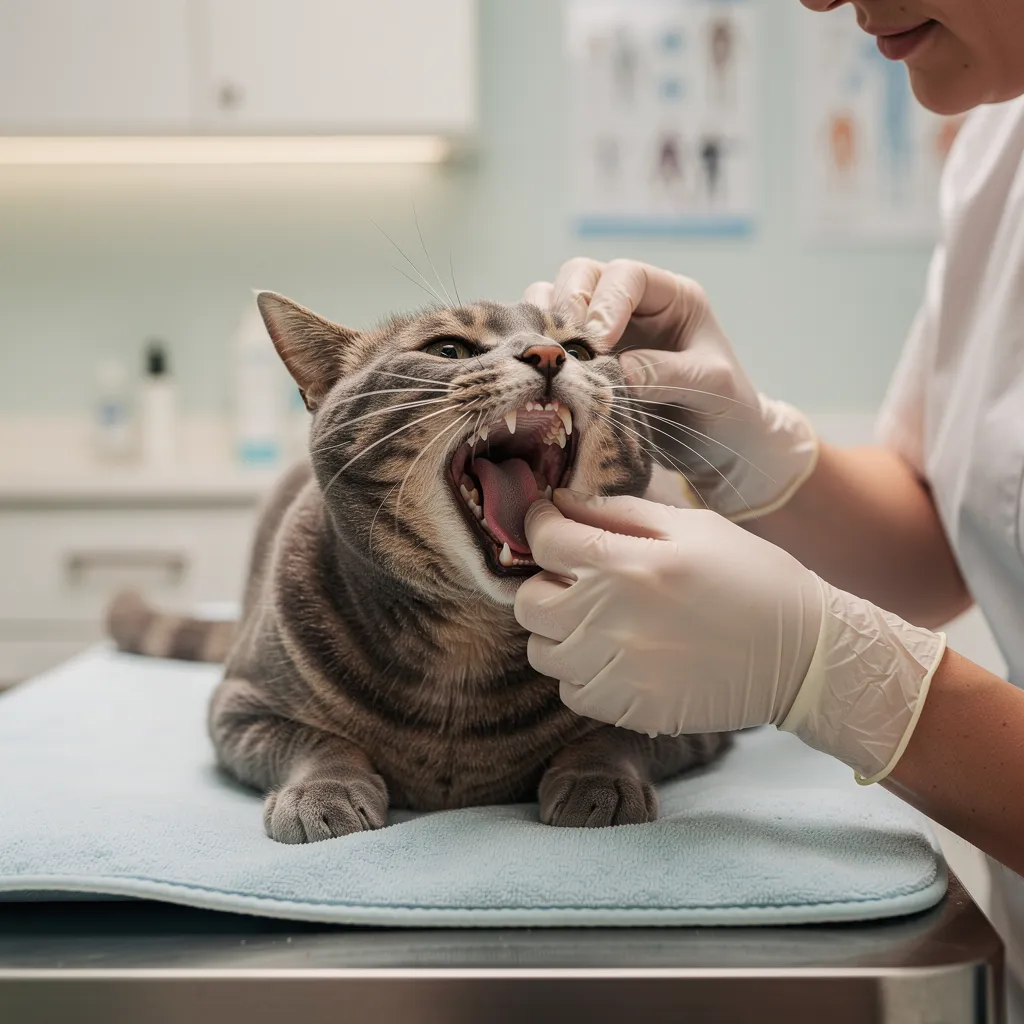
When it comes to How Do I Know if My Pet Needs Dental Cleaning Right Now?, persistent bad breath, visible tartar buildup, bleeding gums, loose teeth, and sudden refusal to eat signal urgent dental problems requiring same-week veterinary attention from Wellnessanimalhospital.Com. Dental scaling removes plaque hidden beneath the gumline, reaching molars brushing misses. Pawing at the mouth or dropping food during meals often means pain, not pickiness, and warrants prompt professional evaluation rather than waiting for the next scheduled checkup.
What Should You Prepare Before Checking Your Pet’s Mouth?
A calm environment and a few simple tools make the difference between a useful home check and a stressful ordeal for both pet and owner. Good lighting matters, since gum color and plaque buildup hide easily in shadow. Owners wondering how to know if their pet needs dental cleaning right now should treat a home check as a starting point, not a diagnosis.
Preparation follows a clear order:
- Choose a quiet time when the pet is relaxed, ideally after a short walk or play session.
- Gather a flashlight, a treat for positive reinforcement, and clean hands.
- Sit at the pet’s level rather than looming over the head.
- Gently elevator the lips on each side to view the gumline and back molars.
- Note any redness, swelling, discoloration, or odor for later discussion with a veterinarian.
Can a home mouth check replace a veterinary exam?
No home inspection replaces a professional evaluation. A veterinarian completes only a basic oral exam while a pet is awake. A thorough assessment of teeth and gums requires general anesthesia. Wellness Animal Hospital’s team performs comprehensive exams. Follows advanced Pet Treatment protocols to give owners accurate answers rather than guesswork.
The Lakewood Ranch, FL clinic also uses diagnostic technology comparable to equipment found in leading human hospitals, allowing precise evaluation beneath the gumline. Wellness Animal Hospital treats every patient like extended family, guiding owners through next steps once a home check raises concern.
Which Warning Signs Signal Urgent Dental Trouble?
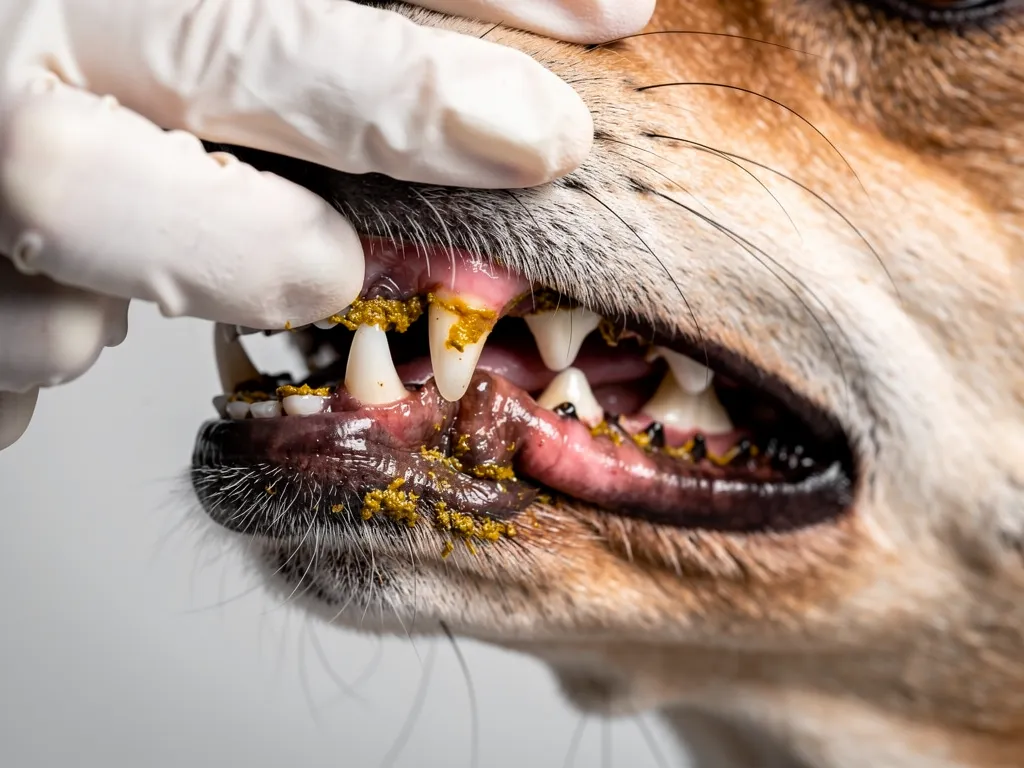
Three symptoms separate a routine checkup from an urgent dental problem: breath that stays foul despite home care, gum tissue that looks red or swollen, and any visible bleeding around the teeth. Ignoring these signals allows bacteria to keep multiplying beneath the gumline, where damage often can’t be seen until it’s advanced. For dog and cat owners, catching these signs early is what determines whether a dog and cat dental cleaning stays simple or turns into a more complex, costly procedure.
Bad breath tops the list, but not all bad breath is equal. A faint odor after a meal is normal. Breath that stays unpleasant even with regular brushing and dental chews usually points to bacteria buildup. Periodontal disease, not something that will resolve on its own.
Gum condition tells the next part of the story. Healthy gums appear pale pink and firm. Red, swollen, or bleeding gums signal inflammation that warrants an oral exam and professional cleaning rather than a wait-and-see approach.
How can pet owners check for urgent signs at home?
- Elevator the lip gently and check gum color along the upper and lower teeth.
- Smell the breath directly after a meal and again several hours later.
- Watch for blood on chew toys, food bowls, or bedding.
- Note any drooling, pawing at the mouth, or reluctance to chew.
Because so much dental disease hides below the gumline, a hands-on look only reveals part of the picture. Wellness Animal Hospital’s approach centers on thorough exams and advanced protocols, holding itself to a higher standard so problems get caught before they progress into pain, infection, or tooth loss. When any of these warning signs appear, scheduling a professional evaluation promptly protects both the pet’s comfort and long-term health.
How Do You Check Your Pet’s Mouth Step by Step?
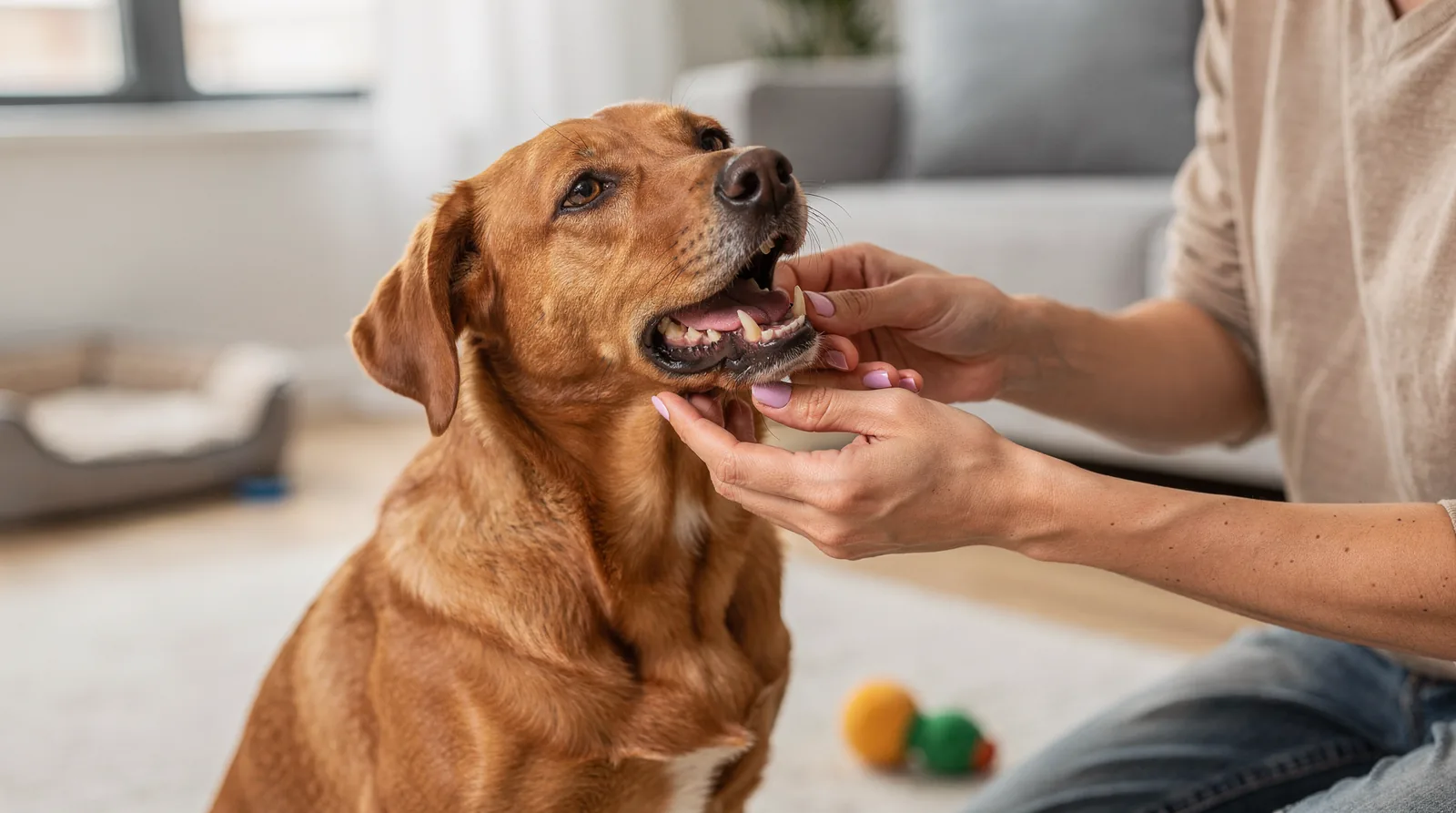
A simple five-step check at home reveals whether a dog or cat needs professional dental care right now. Skipping this check risks missing early warning signs, letting a treatable problem turn into a painful, expensive one. Owners can complete this check in a quiet room with good lighting and a calm pet.
- Gather supplies first. Have a flashlight or bright phone light ready, plus a treat for cooperation afterward.
- Elevator the lips gently. Peel back the cheek on both sides to expose the back molars, not just the front teeth.
- Look for visible plaque buildup. A yellow or brownish film along the gumline signals that tartar has already formed.
- Check the gums for color and swelling. Healthy gums look pink and firm; redness or puffiness suggests inflammation.
- Watch the water bowl over the next day. Finding blood in the water bowl points to a dental problem that needs a veterinarian’s evaluation, not a wait-and-see approach.
What if the mouth looks fine but something still seems off?
A clean-looking mouth does not rule out disease. Much of dental damage develops below the gumline where owners cannot see it. Wellness Animal Hospital recommends scheduling a full exam. Its team can use advanced diagnostic tools that go beyond a home check. cite-2 That deeper look catches problems long before symptoms become obvious.
Should owners handle this alone or ask for guidance?
Nobody has to guess alone here. The hospital’s family-style approach means owners get clear direction on what to watch for. When a visit becomes necessary, rather than being left to interpret symptoms on their own. cite-2 That guidance turns a stressful guessing game into a manageable, supported process for every worried pet parent.
When Is Dental Cleaning Needed Right Now?
Certain warning signs mean a pet needs professional dental evaluation without delay. Bad breath, bleeding gums, or a pet that suddenly refuses food signal that oral disease has likely progressed past the point where home care alone can help. Waiting weeks or months for a routine check-up carries real risk: untreated dental disease can allow bacteria to enter the bloodstream. It affects the heart and kidneys. That single fact separates a “watch and wait” situation from one that calls for a same-week appointment.
Dog and cat owners can use the following steps to determine urgency:
- Check the gums for redness, swelling, or bleeding along the gumline.
- Smell the breath — a sharp, persistent odor points to bacterial buildup, not just “dog breath.”
- Watch eating habits for chewing on one side, dropping food, or skipping meals.
- Look for pawing at the face or reluctance to be touched near the mouth.
- Schedule an emergency dental evaluation if any of these signs appear alongside lethargy or fever.
Is bad breath alone a reason to call the vet?
Bad breath rarely travels alone. It usually accompanies inflamed gums or infection already spreading beneath the surface. Pairing that odor with drooling, pawing, or appetite changes justifies a prompt call rather than a wait-and-see approach.
Wellness Animal Hospital, serving pet owners throughout Lakewood Ranch, FL, built its advanced protocols specifically to catch these problems before they escalate into emergencies. The practice’s mission centers on giving every pet a longer, happier life, and that begins with families knowing when a symptom needs same-day attention instead of a routine slot next month.
What Mistakes Should You Avoid When Assessing Urgency?
Owners most often misjudge dental urgency by treating bad breath as a cosmetic quirk rather than a medical signal. Dental disease hides beneath the gumline, which is why determining whether a pet needs dental cleaning right now requires more than a quick sniff test. A trained eye, and a proper exam, catches what a casual glance misses.
Common missteps include:
- Dismissing mild odor or plaque as normal aging. Wellness Animal Hospital’s approach favors thorough exams and advanced protocols precisely because early-stage disease rarely announces itself loudly.
- Waiting for visible pain before acting. Pets mask discomfort well, and hesitation contradicts a practice built on treating every patient like family, not a case number to revisit later.
- Skipping the follow-up visit after spotting a warning sign. That single missed appointment breaks the ongoing relationship the clinic works to maintain with every household it serves.
- Assuming young pets are exempt. Most dogs and cats already show signs of dental disease by age three, frequently before owners notice anything beyond breath changes.
Is it ever too early to get a pet’s teeth checked?
No. Waiting for obvious symptoms allows disease to progress silently below the gumline. Scheduling an exam at the first hint of change costs far less than treating advanced disease later. Outlined in the Wellness Plans.
Your pet’s oral health directly impacts their overall wellbeing and quality of life. Recognizing these warning signs empowers you to seek professional care before dental problems escalate into serious health complications. If you’ve noticed any of these indicators in your companion, scheduling a veterinary examination represents the most important step toward restoring their healthy smile and protecting their long-term health. Your pet deserves the expert care that addresses dental concerns promptly and compassionately.
FAQ
What are the urgent signs my pet needs dental cleaning right now?
Persistent bad breath, visible tartar buildup, bleeding gums, loose teeth, and sudden refusal to eat signal urgent dental problems requiring same-week veterinary attention. Pawing at the mouth or dropping food during meals often means pain, not pickiness.
Can I diagnose my pet’s dental problem just by checking at home?
No, a home inspection does not replace a professional evaluation. A veterinarian completes only a basic oral exam while a pet is awake. A thorough assessment of teeth and gums requires general anesthesia.
What do healthy gums look like compared to problem gums?
Healthy gums appear pale pink and firm, while red, swollen, or bleeding gums signal inflammation. This condition warrants an oral exam and professional cleaning rather than a wait-and-see approach.
Conclusion
Knowing the difference between routine “dog breath” and a genuine dental emergency comes down to paying attention to the signals your pet is already giving you. Persistent bad odor, red or bleeding gums, visible tartar, and changes in eating or chewing habits are your pet’s way of asking for help, and none of them should wait for the next scheduled checkup. A quick, calm mouth check at home is a useful first step, but it can only tell part of the story since so much dental disease develops below the gumline where owners simply can’t see it.
That’s where a trained eye and the right diagnostic tools make the real difference. Wellness Animal Hospital’s thorough exams and advanced protocols are built to catch problems early, before they turn into pain, infection, or costly emergency care. If your dog or cat is showing any of the warning signs covered here, don’t wait it out. Scheduling a professional evaluation now is the surest way to protect their comfort and keep their smile, and their overall health, on track for years to come.


