

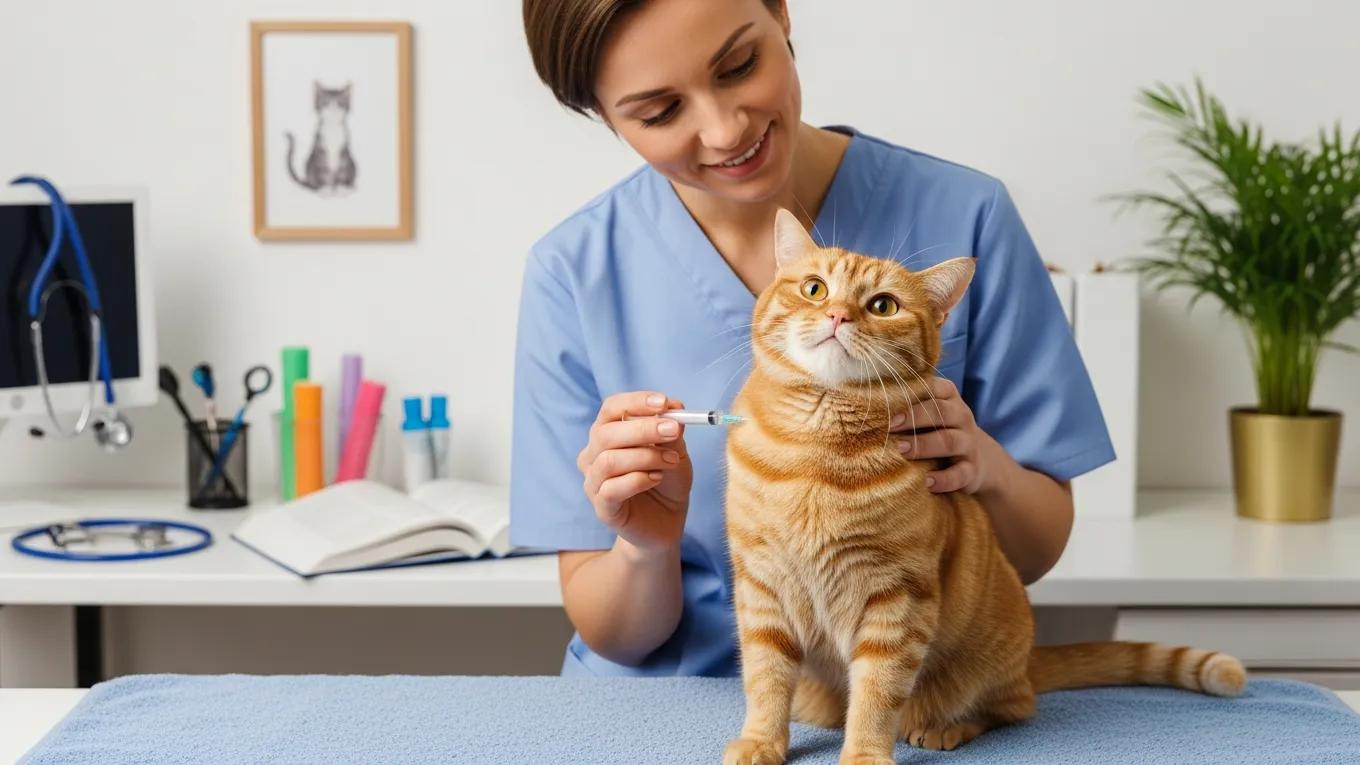
Affordable Cat Vaccinations Near You That Keep Pets Healthy: Your Guide to Low-Cost Veterinary Immunizations

By Mike Krajewski, Animal Hospital in Lakewood Ranch | Vet Near You | Wellness Animal Hospital
Vaccinations protect cats from serious illnesses such as rabies, panleukopenia and calicivirus and are a fundamental part of preventive care. This guide explains the different vaccine types, the health benefits they offer, and practical ways to find affordable services nearby. If you have questions about schedules or costs, this resource will help you make informed choices while pointing to Wellness Animal Hospital as a local option for low-cost immunizations. For full medical care options, review veterinary treatment.
Below we cover vaccine types, their benefits, where to find services, and how to prepare for a vaccination appointment.
Types of Low-Cost Veterinary Immunizations

When planning vaccinations, it helps to know the distinction between core and non-core vaccines. Both play roles in protecting your cat and reducing disease spread in multi-pet settings.
Core Vaccines for Cats
Core vaccines are essential for all cats because they protect against the most prevalent and severe diseases. Key core vaccines include rabies, feline herpesvirus (FHV-1), feline calicivirus (FCV) and panleukopenia, which is often called feline distemper.
- Rabies Vaccine: This vaccine is not only crucial for your cat’s health but also legally mandated in many areas due to the severe consequences of rabies.
- Feline Herpesvirus (FHV-1): Protects against a virus responsible for the respiratory illness that can severely affect a cat’s wellbeing.
- Feline Calicivirus (FCV): Another critical vaccine that aids in preventing respiratory diseases and oral disease in cats.
- Panleukopenia: Often referred to as feline distemper, this highly contagious virus can cause severe gastrointestinal distress and even death.
Kittens usually begin vaccinations at 6–8 weeks of age, with booster doses given as they grow to ensure full protection.
Non-Core Vaccines
Non-core vaccines are recommended based on a cat’s lifestyle and exposure risk. A veterinarian will assess your cat’s specific situation and advise whether these additional vaccines are appropriate.
- Bordetella: Recommended for cats that may be exposed to others in settings like boarding facilities or grooming.
- Chlamydia: Targets bacterial infections that can cause respiratory issues and conjunctivitis in felines.
A veterinarian can evaluate your cat’s environment and activities to determine if non-core vaccines are needed.
Health Benefits of Vaccinations

Vaccines offer clear benefits for individual cats and for community health, including disease prevention, reduced spread of infections, and lower long-term medical costs.
- Disease Prevention: Vaccinations significantly reduce the risk of serious diseases, allowing for a healthier lifestyle.
- Community Health: Ensuring your cat is vaccinated contributes to herd immunity, which protects unvaccinated animals in the community.
- Cost-Effectiveness: Regular vaccinations can help avoid high vet bills associated with diseases that could have been prevented.
Preventive vaccination protects your cat and lowers the likelihood of outbreaks that can affect other animals and people.
Resources for Finding Vaccination Services
Finding affordable vaccinations is easier when you know where to look. Begin with local veterinary practices that run low-cost clinics, check animal shelters for reduced-price services, and look for mobile clinics that visit neighbourhoods.
- Local Veterinarians: Look for veterinary practices that offer low-cost vaccination clinics, especially those focusing on community health.
- Animal Shelters: Many animal shelters provide vaccination services at reduced prices to facilitate public health.
- Mobile Clinics: Check for mobile vaccination clinics that operate in your area, as they often offer convenient and affordable services.
For residents in Lakewood Ranch, Bradenton, Sarasota, and Parrish, Wellness Animal Hospital is a local option for affordable vaccinations. Schedule an appointment by calling 941-499-7171 or visiting their comprehensive services online.
Additional Tips
Plan ahead for vaccinations with practical steps that reduce stress and ensure timely care.
- Establish a Vaccination Schedule: Create a timeline for when immunizations are due and include reminders.
- Regular Veterinary Visits: Ensure your cat has frequent check-ups to monitor its health and vaccination needs.
- Stay Informed: Keep updated on annual vaccination recommendations, as they may change based on new veterinary guidelines.
What Are the Essential Cat Vaccines and Their Health Benefits?
Core vaccines—rabies, FHV-1, FCV and panleukopenia—each protect against serious outcomes. Rabies is critical for both animal and public safety, while FHV-1 and FCV reduce the risk and severity of respiratory disease that can impair a cat’s quality of life.
Keeping vaccinations current prevents immediate health risks and supports long-term wellbeing, so prioritise them as part of routine care.
How Do Vaccinations Support Long-Term Cat Health?
Vaccines prime the immune system to recognise and fight specific pathogens, preventing illness and lowering the chance of outbreaks. Over time, preventing disease also reduces overall medical expenses compared with treating serious infections.
How to Find a Reliable Cat Vaccination Clinic Near You?
A reliable clinic matters for safe, effective vaccination. When assessing practices, focus on credentials, client feedback and facility standards to ensure your cat receives proper care.
- Veterinary Credentials: Ensure that the clinic employs licensed veterinarians with adequate training and experience.
- Client Reviews: Look for testimonials from other pet owners regarding their experiences with the clinic.
- Facility Cleanliness: A well-maintained environment is indicative of the level of care your pet will receive.
Confirming these elements helps you choose a trustworthy provider.
What Should You Look for in a Local Veterinary Provider?
Key considerations—valid licensing, compassionate handling of animals, and a broad range of services—improve your experience and ensure your cat gets comprehensive care.
- Licensing and Credentials: Confirm the provider has the appropriate certifications and licenses.
- Compassionate Care: Look for practices that focus on humane treatment and tending to the animal’s emotional needs.
- Service Range: Ensure the clinic offers comprehensive services beyond vaccinations, including routine care and emergency services.
These factors support better outcomes and a smoother care experience for your pet.
Where Are Affordable Cat Vaccination Services Available in Lakewood Ranch, Bradenton, Sarasota, and Parrish?
Several clinics in the Lakewood Ranch, Bradenton, Sarasota, and Parrish areas offer affordable vaccination services. Local options include community clinics and veterinary practices that schedule low-cost events to improve access to preventive care.
- Wellness Animal Hospital: This clinic specializes in affordable veterinary care, including low-cost vaccinations. Call 941-499-7171 for more information on available services.
- Other local veterinarians and community clinics often run periodic low-cost vaccination events, making it easier for pet owners to keep their pets healthy.
Knowing these options helps you arrange timely vaccinations without incurring excessive costs.
What Are the Costs of Cat Vaccinations and How Can Wellness Plans Help?
Vaccine prices vary by location and service. Core vaccines commonly fall in the $15 to $30 range per dose, while some non-core vaccines may cost more depending on the product and practice.
Wellness vaccination plans can lower out-of-pocket costs by bundling preventive services over time. Review wellness vaccination plans to see if a bundled approach fits your budget and care needs.
How Much Do Common Cat Vaccines Cost Near Me?
Typical price ranges for common vaccines include:
- Rabies Vaccine: Approximately $15 to $25
- Feline Leukemia: Ranges from $25 to $40
- FHV-1, FCV, and Panleukopenia: Typically priced around $15 to $30 each
These averages can help you plan and budget for preventive care.
What Are Affordable Wellness Vaccination Plans and Their Benefits?
Wellness plans offer predictable costs and often include vaccines, routine exams and preventive treatments at a reduced rate compared with paying per visit.
- Cost Savings: Signing up for a wellness plan may reduce the overall cost compared to paying for vaccinations a la carte.
- Coverage for Additional Services: Many plans include routine check-ups and preventive treatments, promoting comprehensive health management.
- Ease of Access: Having a wellness plan may streamline the appointment process, making it easier to schedule regular vaccinations.
For owners who want reliable preventive care without surprise costs, wellness plans can be a practical option.
How to Schedule and Prepare for Your Cat’s Vaccination Appointment?
Scheduling a vaccination appointment and preparing beforehand reduces stress and ensures the visit goes smoothly. Follow simple steps to be ready.
- Call the Clinic: Reach out to the veterinary practice you wish to visit to find out about their availability.
- Prepare Your Cat: Bring your cat in a secure carrier, and consider acclimating them to the carrier beforehand to reduce stress.
- Gather Health Records: Bring any prior vaccination records or health history to inform the vet of your cat’s background.
These preparations help make the appointment efficient and less stressful for both you and your cat.
What Is the Recommended Cat Vaccination Schedule?
The typical schedule begins in early life and continues with boosters to maintain protection:
- 6-8 weeks: Start core vaccinations, including rabies and FHV-1
- 12 weeks: Follow up with additional core vaccines
- 1 year: Boosters for core vaccines are typically administered
Following this schedule helps maximize immunity as your cat matures.
How to Book an Appointment and What to Expect During the Visit?
Contact the clinic to book and share your cat’s medical history so the team can plan care. During the visit you can expect:
- Initial Assessment: The vet will perform a health check prior to vaccination.
- Vaccination Administration: The vaccine will be administered, often quickly and painlessly.
- Post-Care Instructions: You’ll receive guidance on what to expect post-vaccination, including any potential side effects.
Knowing these steps ahead of time can ease worry and help ensure a positive visit for both you and your pet.
What Are the Possible Side Effects of Cat Vaccines and When to Seek Veterinary Care?
Vaccines are generally safe, but mild reactions can occur. Common responses include brief lethargy or a slight fever; serious reactions are rare but require prompt attention.
- Common Reactions: Some cats may experience mild lethargy or a slight fever post-vaccination.
- Serious Reactions: Rarely, severe reactions can occur, such as swelling around the injection site or difficulty breathing.
Watch your cat closely after vaccination and contact your veterinarian if you observe severe or prolonged symptoms.
What Are Common and Rare Vaccine Side Effects in Cats?
Common post-vaccination effects include mild lethargy, a slight fever or local swelling at the injection site. These usually resolve within a day or two.
- Mild Lethargy: Cats may seem less active after receiving vaccinations.
- Slight Fever: A temporary increase in body temperature is normal after immunization.
- Swelling at Injection Site: Some cats might show localized swelling where the vaccine was administered.
Severe allergic reactions are rare but require immediate veterinary care.
When Should You Contact Your Veterinarian After Vaccination?
If your cat shows persistent lethargy beyond 24 hours, trouble breathing, or severe swelling or pain at the injection site, contact your veterinarian right away.
- Persistent Lethargy: If your cat remains unusually fatigued beyond 24 hours post-vaccination.
- Difficulty Breathing: Signs of distress such as labored breathing or wheezing.
- Severe Discomfort: If your cat shows signs of extreme discomfort or swelling at the injection site.
Addressing these signs quickly helps protect your cat after vaccination.
Which Vaccines Are Essential for My Cat’s Health?
Core vaccines—rabies, FHV-1, FCV and panleukopenia—form the foundation of preventive feline care and are commonly recommended by veterinarians.
How Can I Ensure My Cat’s Vaccinations Stay Up to Date?
Keep vaccinations current by checking with your veterinarian, setting reminders for booster shots, and considering a wellness plan that tracks schedules. Being proactive protects your cat and your household.
Frequently Asked Questions
What Should I Do If I Miss a Vaccination Appointment for My Cat?
If you miss a vaccination appointment, reschedule as soon as possible. Call your veterinarian to discuss the missed vaccine and the best catch-up plan—timing can vary by vaccine. Prioritise booking the next available appointment to restore protection.
Can My Indoor Cat Skip Vaccinations?
Indoor cats still benefit from core vaccines. They can be exposed to pathogens via visitors, other pets or contact with outdoor areas. Speak with your vet to determine the appropriate schedule for an indoor cat.
Are There Any Discount Programs for Cat Vaccinations?
Many clinics, shelters and non-profits offer discount programs, community vaccination days, or income-based fees. Check local animal welfare organisations and veterinary practices for available assistance.
How Long Do the Effects of Cat Vaccinations Last?
Protection varies by vaccine. Rabies vaccines often cover one to three years; some non-core vaccines may need annual boosters. Your veterinarian will recommend timing based on your cat’s needs.
What If My Cat Has Had a Reaction to a Vaccine Before?
If your cat has reacted to a vaccine previously, inform your veterinarian. They may suggest strategies such as premedication, spacing vaccines, or selecting different products to reduce risk.
Can I Vaccinate My Cat at Home?
Do not vaccinate at home unless directed and supervised by a veterinarian. Proper storage, handling and administration, plus monitoring for adverse reactions, require professional training and equipment.
Conclusion
Vaccinating your cat provides essential protection against serious disease and supports community health. Affordable options, including Wellness Animal Hospital, make preventive care achievable. Regular vaccinations can prevent costly treatments later and help your cat enjoy a longer, healthier life—schedule your cat’s vaccination to safeguard their future.

Leave A Comment