

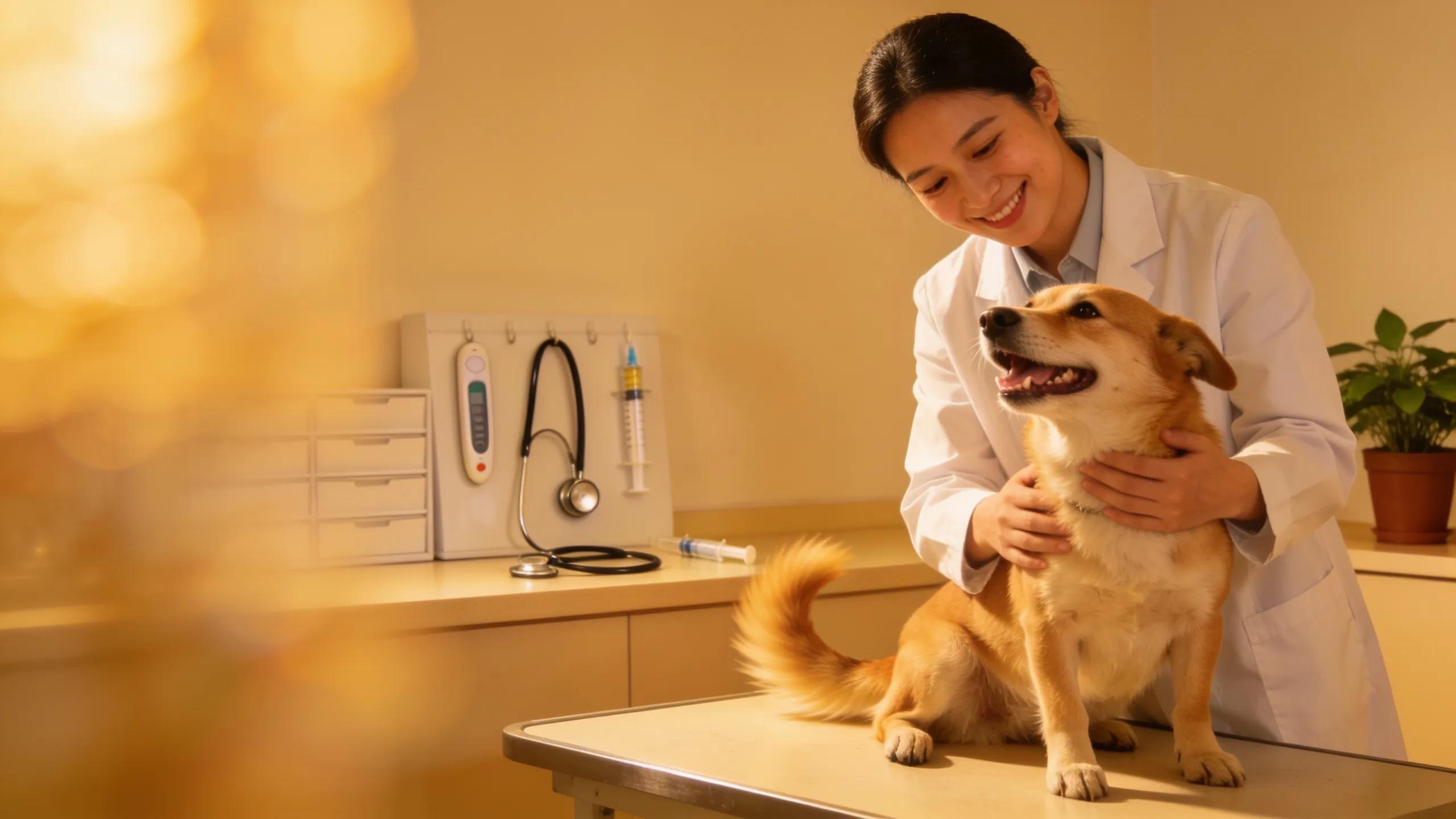
Preventive veterinary care keeps pets healthy and helps catch problems early so they live longer, happier lives. In Parrish, FL you can access services such as wellness exams, vaccinations and parasite prevention to identify issues before they worsen. This article explains those preventive options so you can make informed choices about your pet’s care and highlights trusted clinics like Wellness Animal Hospital, which provides comprehensive preventive services.
Preventive Care Services
Preventive services aim to maintain your pet’s health and detect problems before they become serious. They commonly include annual wellness exams, vaccinations and dental care. Regular check-ups allow your veterinarian to monitor health, update vaccines and advise on nutrition and lifestyle.
| Service | Description | Benefits |
|---|---|---|
| Annual Wellness Exams | Comprehensive health check-up for pets | Early detection of health issues, tailored health advice |
| Vaccination Services | Essential vaccines to protect against diseases | Prevention of serious illnesses, compliance with local laws |
| Dental Care Services | Routine dental check-ups and cleanings | Prevention of periodontal disease, overall health improvement |
Choose a clinic that makes prevention a priority. Wellness Animal Hospital in Parrish, FL delivers compassionate, personalized care so each pet receives attention tailored to their needs.
Best Practices for Maintaining Pet Health

Keeping your pet healthy means acting before problems start. Follow these core practices:
- Regular Veterinary Visits: Schedule annual wellness exams to monitor your pet’s health.
- Follow Vaccination Schedules: Ensure your pet receives all necessary vaccinations on time.
- Maintain a Healthy Lifestyle: Provide a balanced diet and regular exercise to keep your pet fit.
Following these steps helps improve your pet’s quality of life and can extend their lifespan.
Proactive health measures not only benefit pets but also play a role in public health by mitigating potential zoonotic disease transmission.
The Significance of Proactive Wellness Interventions in Companion Animals and Humans
Appropriate preventive and wellness care reduces disease in animal populations and supports longer, improved quality of life. These interventions also lower the chance of zoonotic disease transmission to humans. While the overall risk of pet-associated zoonoses is generally low, pet ownership can increase risk for certain human illnesses, especially in people with weakened immune systems.Wellness and Medical Needs of Therapy Animals, 2021
Local Veterinary Resources
Parrish, FL has several local veterinary resources to support preventive care. Wellness Animal Hospital offers a full range of services, including preventive care, diagnostics and emergency treatment.
To schedule or get more information, call Wellness Animal Hospital at (941) 499-7171. The clinic is committed to high-quality care and ongoing support for local pet owners.
What Are the Benefits of Pet Wellness Plans in Parrish FL?
Wellness plans help owners manage pet health proactively. They typically include routine exams, vaccinations and often offer discounts on additional treatments. Investing in a wellness plan can help ensure your pet receives consistent, scheduled care.
- Cost Savings: Wellness plans often bundle services at a lower overall cost compared to paying for each service individually.
- Health Monitoring: Regular check-ups included in wellness plans help in early detection of health issues.
- Priority Access: Pet owners enrolled in wellness plans may receive priority scheduling for appointments.
A wellness plan helps keep preventive care regular and predictable for both you and your pet.
How Do Wellness Plans Support Routine Pet Health Checkups?
Wellness plans make it easier to maintain regular checkups by grouping preventive services into a predictable schedule. These plans commonly cover:
- Comprehensive coverage of preventive services, including vaccinations and wellness exams.
- Cost savings compared to individual services, making it more affordable for pet owners.
- Ongoing care support, ensuring pets receive the necessary attention throughout the year.
This structured approach keeps preventive care consistent and helps pets remain healthy.
Which Vaccination Services Are Essential for Pets in Parrish?
Vaccinations are a key part of preventive veterinary care. Essential vaccines for pets in Parrish include:
- Core Vaccines: These are necessary for all pets, including rabies, distemper, and parvovirus.
- Non-Core Vaccines: Depending on lifestyle and risk factors, additional vaccines may be recommended, such as Bordetella and Lyme disease vaccines.
- Puppy and Kitten Vaccination Schedules: Young pets require a series of vaccinations to build immunity.
Regular veterinary visits help ensure vaccines are administered on the proper schedule.
What Is the Recommended Pet Vaccination Schedule in Parrish FL?
A clear vaccination schedule ensures pets receive immunisations at the right times. For puppies and kittens, the typical schedule includes:
- 6-8 weeks: First round of vaccinations (distemper, parvovirus).
- 10-12 weeks: Second round of vaccinations (additional distemper, parvovirus, and other core vaccines).
- 16 weeks: Final round of core vaccinations and rabies vaccine.
Adult pets should receive booster vaccinations as your veterinarian recommends, usually every 1–3 years depending on the vaccine.
How Can Parasite Prevention Protect Your Pets in Parrish?
Preventing parasites is essential for health. Common parasites include fleas, ticks and heartworms. Preventive measures reduce the risk of infestations and related health problems.
- Flea and Tick Prevention: Regular use of topical or oral medications can help keep these parasites at bay.
- Heartworm Prevention: Monthly heartworm preventatives are crucial, especially in areas where heartworm is prevalent.
- Regular Check-ups: Routine veterinary visits can help identify and treat any parasite issues early.
Using effective parasite prevention protects pets from serious health complications.
What Are Effective Methods for Flea and Tick Prevention?
Flea and tick prevention is especially important in warm climates like Florida. Effective methods include:
- Topical Treatments: These are applied directly to the pet’s skin and provide long-lasting protection.
- Oral Medications: These can be given monthly to prevent flea and tick infestations.
- Environmental Control: Regularly cleaning your home and yard can help reduce the risk of flea and tick infestations.
Combining these methods provides more complete protection for your pet.
Why Is Dental Care a Vital Part of Preventive Veterinary Services?
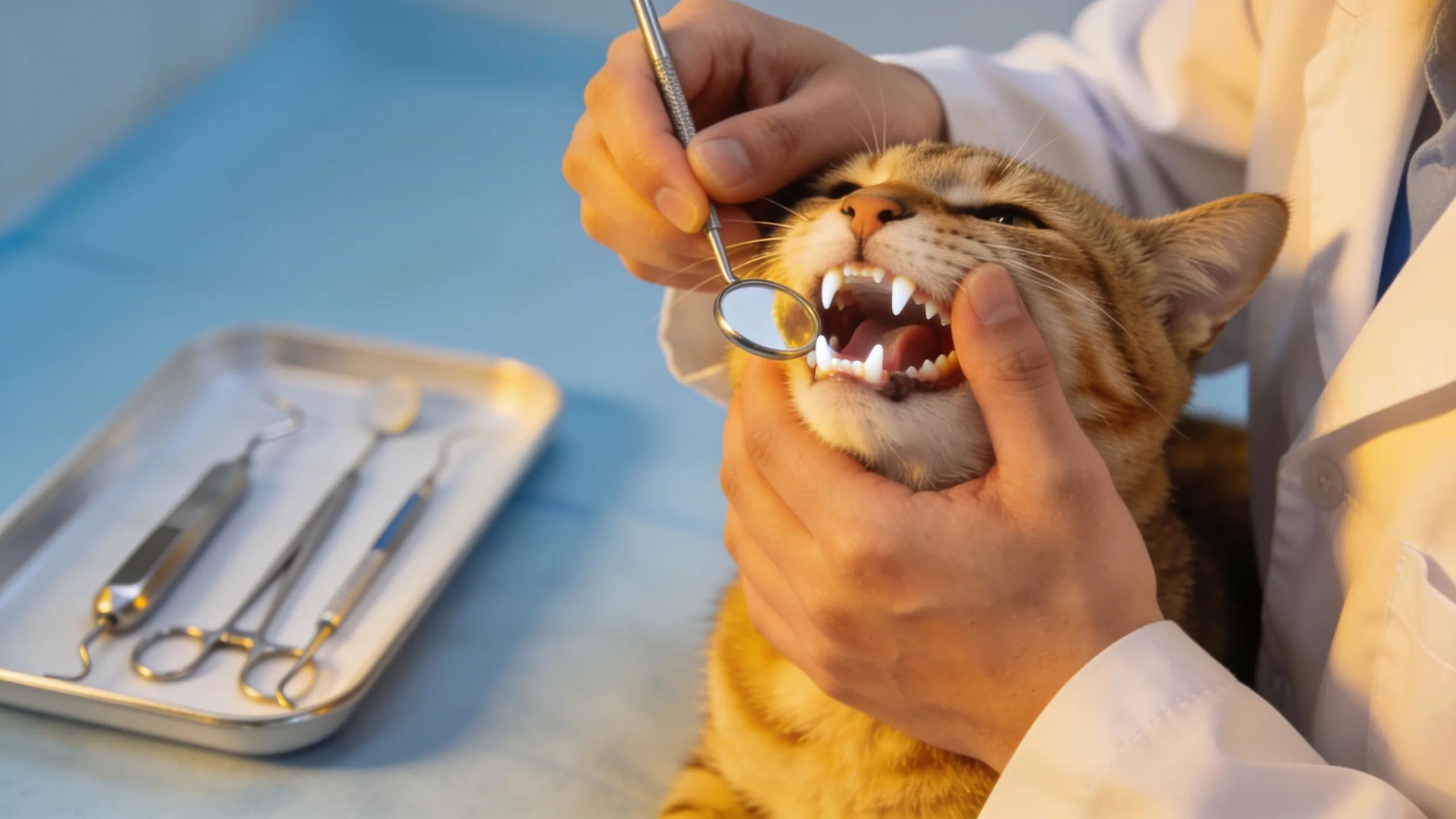
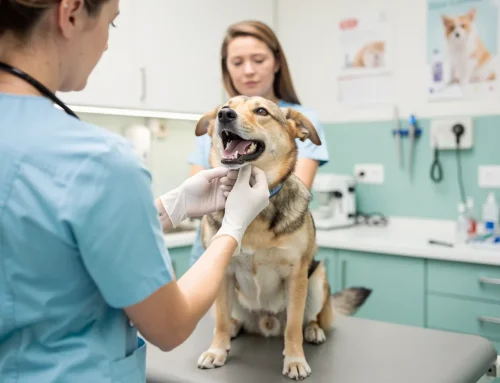
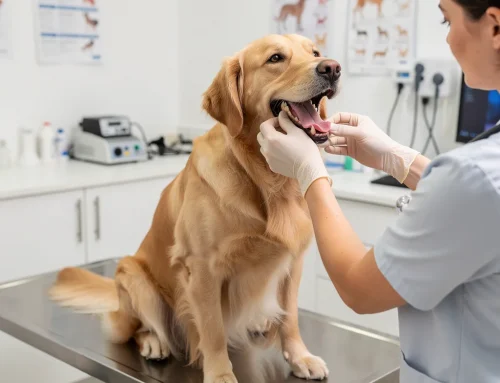
Dental care is often overlooked but is vital to overall health. Poor oral hygiene can lead to periodontal disease and affect other organs. For comprehensive dental care, regular cleanings help prevent gum disease and tooth loss.
- Prevention of Periodontal Disease: Regular dental cleanings help prevent gum disease and tooth loss.
- Improved Quality of Life: Healthy teeth and gums contribute to better overall health and comfort for pets.
- Early Detection of Health Issues: Dental exams can reveal underlying health problems, such as infections or systemic diseases.
Regular dental care is important for your pet’s long-term health and comfort.
How Does Regular Dental Care Improve Your Pet’s Overall Health?
Regular dental care has a direct effect on a pet’s overall health. By maintaining good oral hygiene, pet owners can:
- Reduce the risk of dental diseases that can lead to pain and discomfort.
- Prevent bacteria from entering the bloodstream, which can cause serious health issues.
- Enhance the pet’s quality of life through improved oral health.
Make dental care part of your pet’s routine to support their long-term wellbeing.
What Diagnostic Services Enhance Early Detection in Pet Care?
Diagnostic services are key to early detection of health issues. Common diagnostic options include:
- Digital X-rays: These provide quick and accurate imaging to identify underlying health problems.
- On-site Laboratory Tests: Immediate results can help in diagnosing conditions quickly.
- Electrocardiograms: These are essential for monitoring heart health and detecting abnormalities.
Using these diagnostic services enables timely interventions and improves health outcomes for pets.
How Do Routine Health Exams and Diagnostics Work Together?
Routine exams and diagnostics work together to protect your pet’s health. During an exam, your veterinarian assesses overall condition and may recommend tests based on findings.
- Routine Exams: These provide a comprehensive health assessment, allowing veterinarians to monitor changes over time.
- Diagnostics: These help identify specific health issues that may not be apparent during a physical exam.
Combined, these practices ensure thorough, proactive care for your pet.
How to Schedule and Prepare for Preventive Veterinary Visits in Parrish?
Scheduling and preparing for preventive visits helps the appointment run smoothly. Follow these steps:
- Contact the Veterinary Clinic: Call Wellness Animal Hospital at (941) 499-7171 to schedule an appointment.
- Gather Necessary Documentation: Bring any previous medical records and vaccination history.
- Prepare Your Pet: Ensure your pet is comfortable and calm before the visit.
Following these steps helps ensure your pet receives the best possible care during the visit.
What Should Pet Owners Expect During a Wellness Exam?
A wellness exam includes a thorough physical check. Key components of the exam include:
- Physical Examination: The veterinarian will check the pet’s overall health, including weight, coat condition, and vital signs.
- Discussion of Findings: Pet owners will have the opportunity to discuss any concerns and receive tailored health advice.
- Common Procedures: Depending on the pet’s needs, procedures such as vaccinations or blood tests may be performed.
Knowing what to expect helps you take an active role in your pet’s health care.
Frequently Asked Questions
How can I prepare my pet for a veterinary visit?
Help your pet stay calm before the visit. Bring prior medical records, vaccination history and a list of questions or concerns. A light meal can reduce anxiety, but avoid feeding immediately before the appointment. If your pet is anxious, bring a favorite toy or blanket for reassurance.
Are there specific vaccines my pet needs in Florida?
Yes. Core vaccines essential for all pets include rabies, distemper and parvovirus. Depending on your pet’s lifestyle and exposure risk, your veterinarian may recommend non-core vaccines such as Bordetella or Lyme. Discuss your pet’s circumstances with your veterinarian to determine the right protocol.
What signs indicate my pet might need a veterinary visit?
Signs that merit a veterinary visit include changes in appetite, weight loss, excessive thirst, lethargy, persistent vomiting or diarrhea, limping, or signs of pain such as whining or hiding. Behavioral changes like increased aggression or anxiety can also signal a health issue. Contact your veterinarian if you notice any concerning symptoms.
What are the costs associated with preventive veterinary care?
Costs vary by service and your pet’s needs. Annual wellness exams typically range from $50 to $125, while vaccinations may cost $15 to $100 each depending on type. Additional services like dental care and parasite prevention can add to the total. A wellness plan can bundle services at a lower overall cost.
How often should I bring my pet for preventive visits?
Most pets should have at least one wellness exam per year. Younger animals, seniors or pets with health conditions may need more frequent visits, possibly every six months. Work with your veterinarian to set the right schedule for your pet.
What role does nutrition play in preventive veterinary care?
Good nutrition supports a healthy weight and a strong immune system, and it reduces the risk of chronic disease. During routine visits, your veterinarian can recommend diet adjustments based on age, size and specific health needs. Proper nutrition, along with preventive care, enhances your pet’s quality of life and longevity.
Conclusion
Investing in preventive veterinary care helps your pet live a longer, healthier life through early detection and proactive treatment. With essential services available in Parrish, you can make informed choices that benefit your companion. Schedule a wellness exam or explore wellness plans at Wellness Animal Hospital. Your pet deserves excellent care—prioritize their health today.

Leave A Comment