


Understanding Common Pet Treatment Options: Expert Veterinary Care for Your Dog and Cat

By Mike Krajewski, Animal Hospital in Lakewood Ranch | Vet Near You | Wellness Animal Hospital
As a pet owner, knowing the treatment options for your dog or cat is key to protecting their health. Different conditions require specific veterinary care—preventive steps, accurate diagnostics, and treatment plans tailored to the individual animal. This article outlines common treatment pathways, from routine wellness visits to emergency care, to help you make informed decisions. We also describe services offered by Wellness Animal Hospital in Lakewood Ranch and nearby areas.
Staying informed lets you address problems early and act proactively. Below we cover available services, common health concerns in dogs and cats, and practical strategies to maintain overall health. You’ll also find information on diagnostic tools, typical treatment approaches, and the role of preventive care and wellness plans.
Available Services

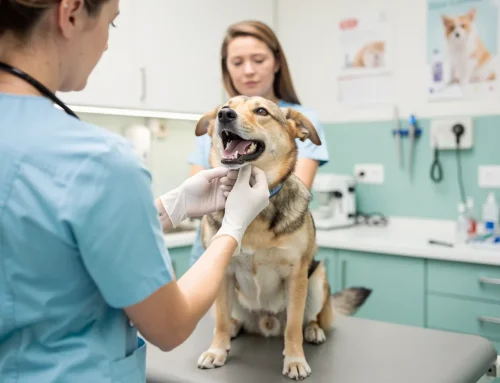
Wellness Animal Hospital provides a full range of veterinary services focused on preserving and restoring your pet’s health. These offerings treat active illness and emphasise prevention through routine care, accurate diagnosis, and timely treatment. The available services include, but are not limited to:
- Preventive Care: Regular check-ups and vaccinations to keep your pets healthy.
- Diagnostic Procedures: Advanced tests to diagnose health issues accurately.
- Emergency Care: Immediate attention for urgent health concerns and injuries.
Combined, these services address all aspects of your pet’s health and support long‑term well‑being.
Treatment Options
Knowing treatment options helps improve recovery and preserve quality of life. Common approaches include medications, surgery, and specialised therapies chosen to match the condition and the animal.
How Are Medical Therapies Selected for Different Conditions?
Veterinarians select therapies based on the confirmed diagnosis, the severity of the condition, and the pet’s overall health profile. They consider factors such as:
- Diagnosis: Accurate diagnosis is essential. Diagnostic tests such as blood work and imaging can lead to the right treatment.
- Individual Needs: Each pet may react differently to treatments, so personalized care is important.
- Safety and Efficacy: The chosen therapies must be safe, effective, and suitable for the pet’s age and breed.
What Role Do Emergency and Chronic Care Play in Pet Health?
Emergency care treats sudden injuries or illnesses that need immediate attention to prevent complications. Chronic care focuses on long‑term management to keep pets comfortable and active despite ongoing conditions.
Examples of chronic conditions include arthritis, diabetes, and heart disease. Effective management relies on regular veterinary check‑ups to monitor the condition and adjust treatment plans as needed.
Best Practices for Maintaining Health
Keeping your pet healthy requires more than treating illness. Adopt consistent habits that support wellness, such as:
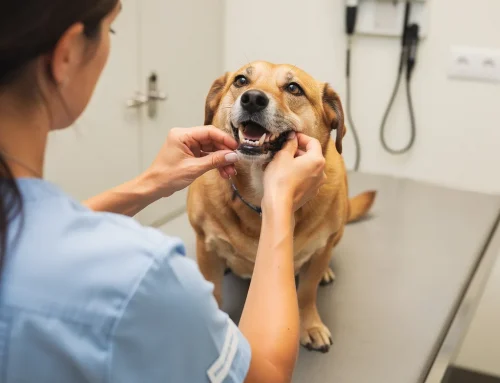
- Regular Veterinary Check-Ups: These should be scheduled at least once a year for adult dogs and cats; more frequent visits are advisable for older pets.
- Balanced Diet and Exercise: Proper nutrition and regular physical activity are essential for maintaining a healthy weight and overall well-being.
- Awareness of Symptoms: Pet owners should monitor for signs of illness, such as changes in behavior, appetite, or energy levels.
Regular observation helps detect issues early, making treatments more effective and improving outcomes.
The Significance of Annual Veterinary Health Examinations
Highlighting the benefits of annual health examinations—rather than focusing only on single preventive measures like vaccination or heartworm prophylaxis—supports better patient outcomes by enabling earlier detection of health concerns.
Are we really doing enough to provide the best veterinary care for our pets?, 2014
Annual health examinations, beyond isolated preventive measures, improve patient well‑being by allowing earlier identification of potential problems.
What Are the Most Common Health Issues Affecting Dogs and Cats?
Dogs and cats commonly develop conditions that affect their comfort and long‑term health. Frequently seen problems include:
- Obesity: A leading cause of many other health issues such as arthritis and diabetes.
- Dental Disease: Periodontal disease can cause pain and lead to more serious health problems.
- Skin Problems: Allergies and infections are frequent issues for many pets.
How Do Common Illnesses Differ Between Dogs and Cats?
Some health issues occur in both species, while others are more typical in one. For example:
- Dogs: Common conditions include hip dysplasia and parvovirus.
- Cats: Conditions like feline leukemia and hyperthyroidism are prevalent in cats.
Preventive care tailored to each species reduces these risks and supports healthier, happier pets.
What Veterinary Treatment Options Are Available for Common Pet Diseases?
Treatment for common pet diseases covers a range of therapeutic methods. These may include:
- Medication: Antibiotics, anti-inflammatories, and pain relief drugs are often prescribed based on the diagnosis.
- Surgery: Some ailments, particularly those involving tumors or fractures, may require surgical intervention.
- Therapies: Physical therapy or hydrotherapy may also be utilized for recovery, particularly for orthopedic conditions.
Consulting with your veterinarian is essential for selecting the right treatment plan. For more details on available services, see pet treatment options.
How Do Diagnostic Services Enhance Pet Treatment Plans?
Diagnostic testing is central to accurate care. These tests help veterinarians identify the underlying cause of symptoms so they can design focused, effective treatment plans.
What Diagnostic Procedures Are Commonly Used in Veterinary Care?
A range of diagnostic procedures is typically used in veterinary care, including:
- X-Rays: Useful for visualizing bones and detecting fractures or tumors.
- Ultrasounds: Employed to assess soft tissue and organ health.
- Blood Tests: Vital for evaluating overall health and diagnosing diseases.
These diagnostic tools provide critical information that shapes personalised treatment strategies. To learn how these are used in practice, review our diagnostic services.
How Does Advanced Technology Improve Diagnostic Accuracy?
Modern diagnostic technologies—such as digital imaging and genetic testing—have improved the clarity and speed of results, which increases diagnostic accuracy.
Faster and more precise diagnostics allow earlier treatment and better outcomes, helping clinics deliver higher‑quality care.
Why Are Preventive Care and Wellness Plans Essential for Your Pet?
Preventive care reduces the chance of serious illness and supports a higher quality of life. Typical elements of wellness plans include:
- Routine Check-Ups: Ensuring pets are healthy and up to date on vaccinations.
- Preventive Diagnostics: Necessary tests that can identify potential health issues early on.
- Nutritional Counseling: Assisting in maintaining a balanced diet that suits your pet’s specific needs.
Novel Canine and Feline Preventive Healthcare Guidelines for Veterinary Professionals
The American Veterinary Medical Association (AVMA) and the American Animal Hospital Association (AAHA) released the initial Canine and Feline Preventive Healthcare Guidelines. These consensus statements provide veterinarians with current recommendations to improve patient care and emphasise the value and scope of routine companion animal examinations.
Development of new canine and feline preventive healthcare guidelines designed to improve pet health, 2011
Guidelines from leading veterinary associations reinforce the importance of routine examinations in maintaining overall pet health.
What Services Are Included in Comprehensive Wellness Plans?
| Service | Description | Frequency |
|---|---|---|
| Annual Check-Ups | Comprehensive health evaluations | Yearly |
| Vaccination | Core vaccines and boosters | As needed |
| Dental Cleanings | Routine dental check-ups to prevent oral diseases | Biannually |
| Diagnostic Testing | Blood test and other diagnostics to identify issues | As recommended |
These services work together to support a proactive approach and lower the likelihood of serious health issues. Explore our comprehensive wellness plans to help keep your pet healthy.
How Can Preventive Care Reduce the Risk of Common Diseases?
Preventive care plays a major role in lowering disease risk. Pets on preventive plans tend to have fewer cases of:
- Infectious Diseases: Vaccinations prevent illness outbreaks.
- Obesity-Related Issues: Proper diet and exercise reduce risks significantly.
- Chronic Conditions: Regular check-ups facilitate early detection and management.
Regular preventive measures help pets stay healthier and happier over time.
Assessing Pet Owner Comprehension of Prophylactic Veterinary Healthcare
Prophylactic healthcare is a cornerstone of wellness. However, communication about disease prevention from veterinary teams to owners can be limited, which may increase health risks. This research evaluated clients’ knowledge, attitudes, and practices regarding vaccination and parasite control to identify information sources that influence preventive care engagement.
Companion animal preventive care at a veterinary teaching hospital—Knowledge, attitudes, and practices of clients, J Stull, 2021
Clear communication of prevention strategies from veterinary professionals helps owners engage with preventive care and reduces health risks for pets.
What Are the Best Practices for Maintaining Your Pet’s Dental Health?

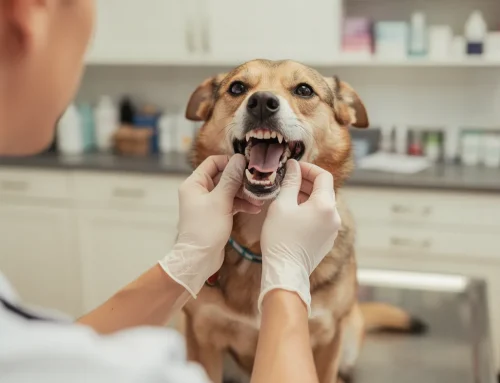
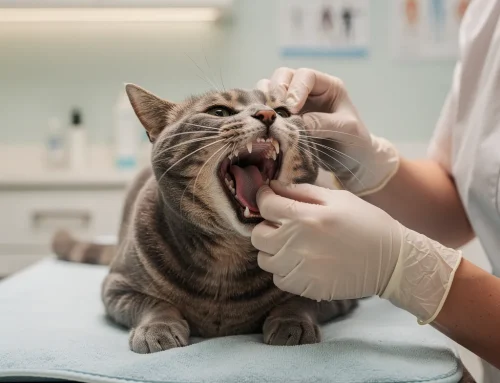
Good dental care is essential to your pet’s overall health. Left untreated, dental disease can contribute to problems affecting the heart, liver, and kidneys.
How Does Dental Care Prevent Oral and Systemic Diseases?
Routine dental care prevents plaque and tartar buildup that leads to periodontal disease. Regular professional cleanings and consistent at‑home oral hygiene can significantly reduce related health risks.
What Treatment Options Are Available for Pet Dentistry?
Common dental treatments include:
- Teeth Cleaning: Regular professional cleanings to maintain oral health.
- Extractions: Removal of damaged or severely decayed teeth.
- Restorative Treatments: Such as fillings for minor decay.
Effective dental care improves comfort and long‑term health. For specialised dental services, visit our pet dentistry page.
How Can Pet Owners Effectively Manage Ongoing Health Conditions?
Managing chronic conditions requires vigilance and collaboration with your veterinarian. Successful management includes regular check‑ins and adjustments to therapy based on how your pet responds.
What Support Does Wellness Animal Hospital Provide for Chronic Care?
Wellness Animal Hospital offers coordinated support for chronic conditions, including personalised treatment plans, routine evaluations, and lifestyle guidance to help manage long‑term health effectively.
Educating owners to recognise subtle changes in a pet’s condition empowers timely intervention and improves outcomes.
How Can Owners Monitor and Respond to Changes in Their Pet’s Health?
Monitor daily habits—appetite, activity, elimination, and behaviour—and record any changes. Keeping a simple health log helps you and your veterinarian track trends and spot concerns early.
Know when to seek veterinary care: sudden lethargy, persistent vomiting, difficulty breathing, or acute pain require prompt attention. Regular consultations provide reassurance and ensure your pet receives appropriate care.
Frequently Asked Questions
What should I do if I suspect my pet is sick?
If you think your pet is unwell, note specific signs such as reduced appetite, decreased activity, vomiting, diarrhoea, or unusual vocalisation. Contact your veterinarian and arrange an examination promptly—early diagnosis often leads to better outcomes.
How often should I schedule veterinary visits for my pet?
Most adult dogs and cats benefit from an annual exam. Senior pets or those with chronic conditions may need check‑ups every six months. Discuss the ideal schedule with your veterinarian based on your pet’s age, breed, and health status.
How do I choose the right veterinarian for my pet?
Choose a veterinarian by considering location, offered services, and reputation. Ask for recommendations, read reviews, and visit the clinic to observe staff interactions. Trust and clear communication are important for both you and your pet.
What are the benefits of pet insurance?
Pet insurance can help cover unexpected veterinary expenses like surgeries and emergency care, reducing financial stress and allowing you to focus on treatment decisions. Review policy details carefully because coverage and exclusions vary between plans.
What should I include in my pet’s home care routine?
A solid home routine includes a balanced diet, regular exercise, grooming, and routine checks of ears, teeth, and paws. Keep parasite preventives current, maintain vaccinations, and provide mental stimulation with toys and playtime.
How can I ensure my pet is maintained in good health?
Maintain your pet’s health with regular veterinary care, an appropriate diet, and daily physical activity. Watch for behaviour changes and prioritise dental care to prevent many common problems.
What emergency care is essential for pets?
Emergency care is needed for severe injuries, sudden serious illness, or major behavioural changes. Keep an emergency plan and first‑aid kit ready, and know the contact details for your nearest emergency veterinary clinic.
Conclusion
Knowing your pet’s treatment options helps you make confident decisions about their care. Prioritise preventive care, stay informed about available veterinary services, and act promptly if concerns arise. Schedule a visit to Wellness Animal Hospital for comprehensive, personalised care tailored to your pet’s needs.

Leave A Comment