


Sudden health problems in pets are frightening, but quick, informed action improves outcomes. This guide outlines clear steps to assess your pet, recognise emergency signs, and contact a veterinarian promptly. It also covers common conditions, available resources, and what to expect during an emergency visit so you can act calmly and confidently when minutes matter.
Essential Pet Emergency Care Guide
Immediate action matters in any pet emergency. This guide focuses on practical steps and resources to help you manage urgent situations and give your pet the best chance of recovery. For ongoing prevention and support, review our preventive wellness plans.
Immediate Actions to Take:
Assess the Situation:
Start by staying calm and observing your pet from a safe distance. Note breathing, movement, visible injuries, and any hazards in the area. Approach slowly if you must move or comfort them, speaking softly to avoid increasing their stress.
Check Vital Signs:
After checking the obvious dangers, assess basic vital signs to help your veterinarian triage the case. These observations will guide next steps and give the clinic clear information about your pet’s condition.
- Gum Color: Healthy gums should be pink. Pale or blue gums may indicate a serious issue.
- Breathing Rate: Count the number of breaths per minute. Normal rates vary by species but should generally be between 10-30 breaths for dogs and 20-30 for cats.
- Pulse: You can check your pet’s pulse by feeling the femoral artery in the inner thigh. A normal pulse rate for dogs is approximately 60-120 beats per minute, while for cats, it is 140-220 beats per minute.
Report these findings clearly when you call; they help the veterinary team prioritise care and prepare appropriate treatment.
Recognize Emergency Symptoms:
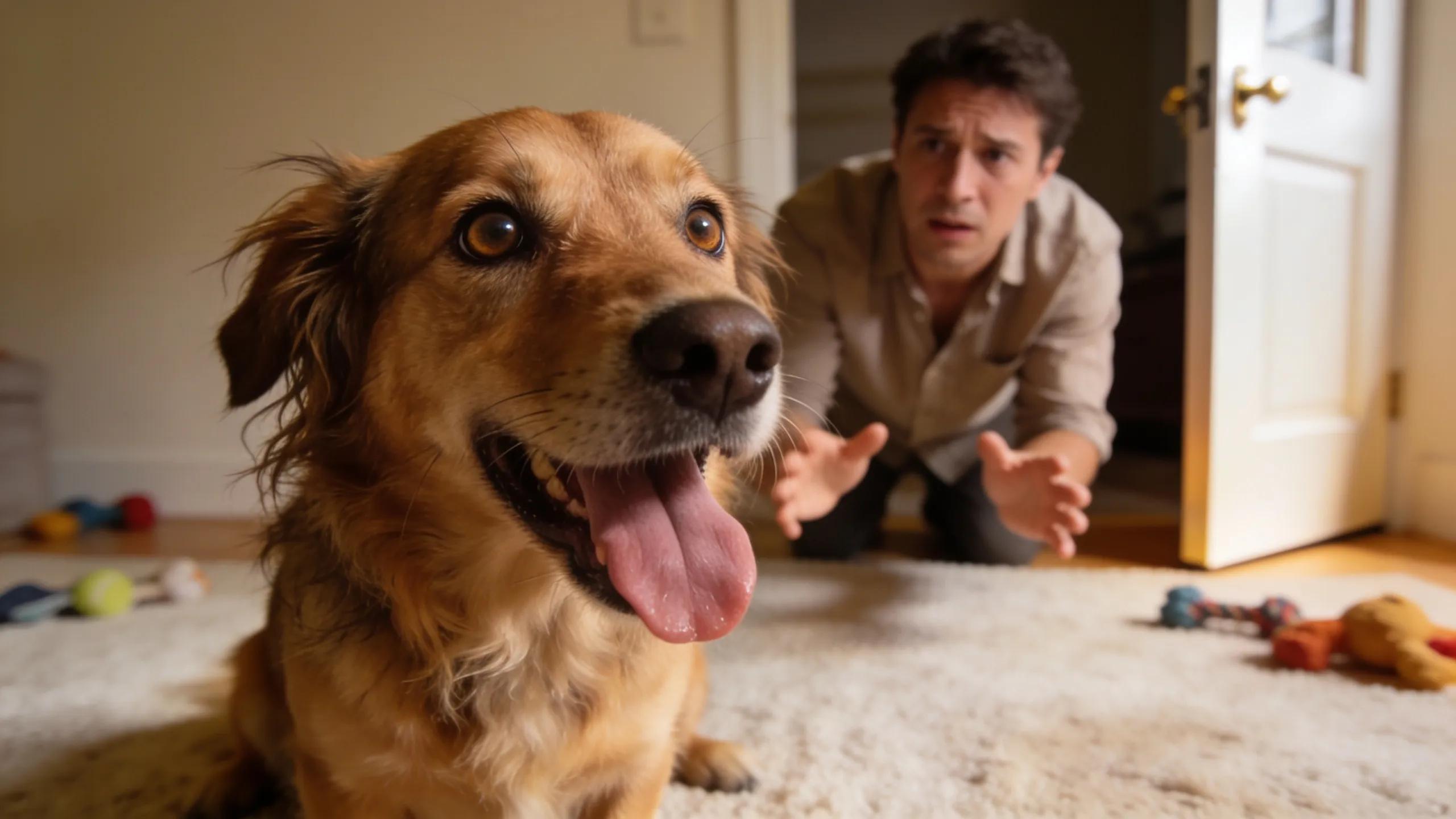
Timely recognition of emergency signs lets you seek help before a condition worsens. Watch for sudden changes in breathing, severe bleeding, collapse, or obvious signs of pain, and treat any of these as urgent.
- Breathing Issues: Difficulty breathing or excessive panting can indicate respiratory distress.
- Severe Bleeding: Any significant bleeding requires immediate veterinary attention.
- Signs of Pain: Whining, hiding, or aggression can signal that your pet is in pain.
Noticing these signs early allows you to get veterinary care faster and improve the chance of a positive outcome.
Contact a Veterinarian:
After your initial assessment, call your veterinarian or an emergency clinic right away. Give a concise summary of what you observed, the pet’s current state, and any urgent signs so the team can advise next steps.
- Observed symptoms
- Any relevant medical history
- Your pet’s age, breed, and weight
Clear information helps the clinic evaluate urgency and prepare diagnostics or treatment. Review available diagnostic services so you know which tests might be used during an emergency visit.
Keep Your Pet Calm:
A calm pet is easier to assess and transport. Use a crate, carrier, or a quiet room to limit movement, and follow any instructions the clinic gives over the phone.
- Containment: Use a crate or a safe space to keep your pet secure.
- Following Vet Instructions: If you have contacted a veterinarian, follow their guidance on how to manage your pet until you arrive.
Reducing noise and movement lowers stress and can prevent further injury while you prepare to travel to the clinic.
Common Health Issues to Recognize:
Knowing common health problems helps you decide when to seek urgent care. Watch for ongoing vomiting or diarrhea, sudden appetite loss, and any eye injuries, as these can indicate conditions that need prompt attention.
- Vomiting and Diarrhea: These can indicate various underlying issues, from dietary indiscretion to more serious conditions.
- Not Eating or Drinking: A sudden loss of appetite can be a sign of illness.
- Eye Injuries: Any injury to the eye should be evaluated by a veterinarian promptly.
Early recognition and veterinary evaluation can prevent deterioration and improve recovery chances.
Available Resources for Pet Owners:
Identify nearby emergency clinics, poison control hotlines, and your regular veterinarian before an incident occurs. Knowing who to call and where to go speeds access to care when time is critical.
- Emergency Veterinary Clinics: These facilities are equipped to handle urgent cases outside regular hours.
- Poison Control: If you suspect your pet has ingested something toxic, contact a poison control hotline for guidance.
- Veterinary Guidance: Many veterinarians offer advice over the phone for urgent situations.
Keeping these contacts and directions accessible gives you confidence and reduces delay during a crisis.
What Are the First Signs of a Pet Health Emergency?
The earliest emergency signs include difficulty breathing, severe bleeding, sudden collapse, or unresponsiveness. Any of these should prompt immediate veterinary attention.
- Difficulty Breathing: Any signs of respiratory distress should be treated as an emergency.
- Severe Bleeding: This requires immediate veterinary attention.
- Unresponsiveness: If your pet is unresponsive or lethargic, it may indicate a serious condition.
Acting quickly on these signs—calling a clinic and preparing to transport your pet—can be lifesaving.
How to Recognize Critical Symptoms in Dogs and Cats
Some symptoms require urgent care rather than home treatment. Excessive vomiting or diarrhea, clear signs of severe pain, and sudden behavioural changes all warrant prompt evaluation by a veterinarian.
- Excessive Vomiting or Diarrhea: This can lead to dehydration and requires prompt attention.
- Severe Pain: Signs of pain can include whining, hiding, or aggression.
- Changes in Behavior: Sudden changes in behavior, such as lethargy or aggression, can indicate underlying health issues.
When you see these symptoms, contact your veterinarian for guidance and be prepared to seek emergency care if advised.
How Do I Perform First Aid for My Pet During Sudden Illness?
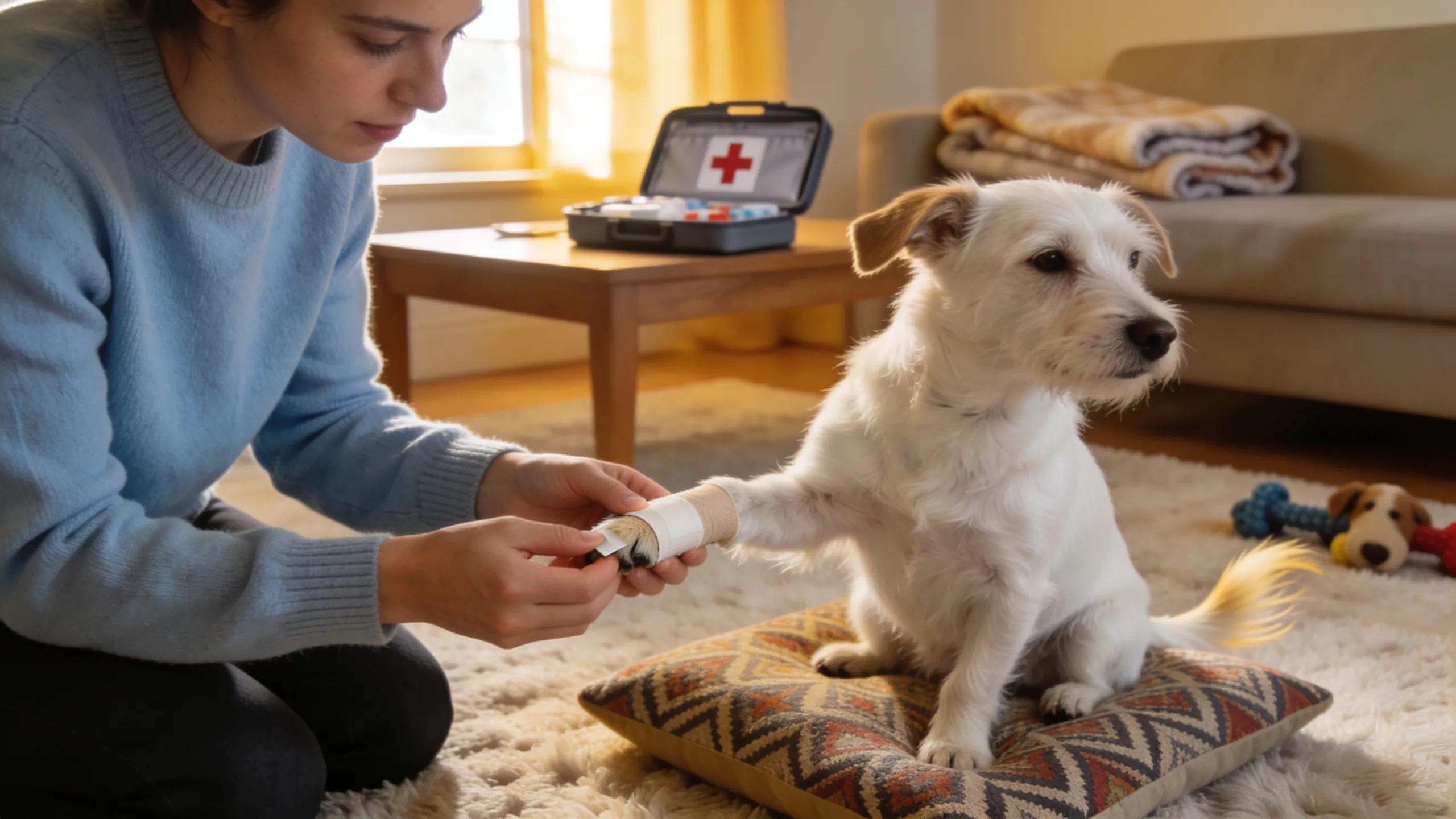
Basic first aid can stabilise your pet until professional care is available. Prioritise stopping major bleeding, supporting breathing, and preventing further injury while you arrange transport.
- Control Bleeding: Apply pressure to the wound with a clean cloth.
- Perform CPR: If your pet is unresponsive and not breathing, perform CPR by compressing the chest and providing rescue breaths.
- Stabilize Fractures: If you suspect a fracture, immobilize the area to prevent further injury.
These actions are temporary measures—seek veterinary care immediately after stabilising your pet.
When Should I Take My Pet to an Emergency Vet Near Me?
Visit an emergency vet for severe symptoms such as breathing difficulty, major bleeding, unresponsiveness, ongoing vomiting or diarrhea with lethargy, or clear signs of intense pain. When serious signs are present, prompt assessment is essential.
- Severe Symptoms: Such as difficulty breathing, severe bleeding, or unresponsiveness.
- Persistent Vomiting or Diarrhea: Especially if accompanied by lethargy.
- Signs of Pain: If your pet is in obvious distress or pain.
If you are unsure, call the clinic for immediate advice—it’s safer to seek professional input than to wait.
What Diagnostic Services Does Wellness Animal Hospital Provide for Sudden Pet Illness?
Wellness Animal Hospital provides diagnostic tools that support rapid assessment and treatment of acute conditions. These services help the team identify issues quickly and start the right care.
| Diagnostic Service | Description | Availability |
|---|---|---|
| Digital X-rays | Quick imaging to assess internal injuries | On-site |
| On-site Laboratory | Rapid testing for various conditions | Available |
| Ultrasound | Non-invasive imaging for internal issues | Available |
Access to on-site imaging and laboratory testing speeds diagnosis and helps the veterinary team begin targeted treatment without delay.
How Personalized Treatment Plans Improve Emergency Outcomes
Individualised treatment plans let veterinarians match therapies to your pet’s specific needs. That focused approach supports better recovery and reduces unnecessary procedures.
- Improved Recovery Rates: Customized plans can lead to faster recovery.
- Targeted Interventions: Addressing the unique needs of each pet ensures more effective treatment.
By basing decisions on each pet’s history, exam findings, and diagnostics, clinicians can choose the safest, most effective interventions. Learn more about how plans are developed at personalized treatment plans.
How Can Preventive Wellness Plans Help Avoid Pet Emergencies?
Preventive wellness plans support early detection and routine care that reduce the likelihood of emergencies. Regular check-ups and timely vaccinations catch problems before they escalate.
- Early Detection: Regular check-ups can identify potential health issues before they become serious.
- Cost Management: Preventive care can reduce the need for expensive emergency treatments.
Investing in preventive care helps keep your pet healthier and can lower the risk of urgent, costly treatments later on.
Features of Comprehensive Wellness Plans for Pet Health Maintenance
Comprehensive plans usually combine frequent exams, vaccinations, and routine bloodwork to monitor health and catch changes early.
- Unlimited Physical Exams: Regular check-ups to monitor health.
- Vaccinations: Keeping your pet up-to-date on necessary vaccinations.
- Annual Bloodwork: Routine testing to catch potential issues early.
Together, these elements create a proactive health plan that supports long-term wellbeing.
Scheduling Regular Check-Ups to Detect Early Warning Signs
Routine veterinary visits let clinicians spot subtle changes before they become emergencies. Consistent monitoring also lets the team tailor preventive care to your pet’s needs.
- Proactive Health Management: Early detection can lead to more effective treatment.
- Tailored Health Plans: Regular assessments allow for personalized health strategies.
Make regular check-ups part of your pet’s care routine to reduce risk and catch problems early.
How Do I Schedule an Appointment for Emergency or Urgent Pet Care?
To arrange urgent care, call Wellness Animal Hospital at 941-499-7171 and describe your pet’s condition. The team will advise whether you should come in immediately and what to prepare for transport.
- Contact the Clinic: Call Wellness Animal Hospital at 941-499-7171 to discuss your pet’s condition.
- Provide Information: Be ready to share details about your pet’s symptoms and history.
- Prepare for the Visit: Follow any instructions given by the clinic to ensure a smooth visit.
Having your pet’s history and any current medications ready speeds assessment and helps the clinic provide prompt care.
Contact Information and Appointment Procedures at Wellness Animal Hospital
For urgent care, reach Wellness Animal Hospital through their main website and phone line to get directions and up-to-date hours.
- Phone: 941-499-7171
When you call, share concise details about symptoms and any recent health issues so staff can prioritise care and prepare for your arrival.
What to Expect During Your Emergency Visit
Expect a triage process on arrival to determine urgency, followed by a focused physical exam and any necessary tests to identify the cause of the problem.
- Triage Process: Your pet will be assessed based on the severity of their condition.
- Physical Exam and Testing: The veterinarian will conduct a thorough examination and may perform tests to determine the best course of action.
Knowing the steps—triage, exam, diagnostics, and treatment—helps you prepare and reduces uncertainty during a stressful time.
Frequently Asked Questions
What should I do if my pet is injured but not showing serious symptoms?
Monitor the injury closely for changes like limping, repeated licking, swelling, or shifts in behaviour. Keep your pet calm and restrict activity to prevent worsening. If symptoms progress or do not improve, contact your veterinarian for evaluation and tailored treatment recommendations.
How can I prepare for a pet emergency beforehand?
Prepare a pet emergency kit with basic first aid supplies, your vet’s contact details, any current medications, and copies of medical records. Note nearby emergency clinics and practise handling and transport so you can respond calmly if an incident occurs.
Is it safe to transport my pet to the vet during an emergency?
Transport is often necessary, but stabilise severe injuries when possible before moving your pet. Use a carrier or a blanket for support, immobilise suspected fractures, and drive carefully to avoid jostling. If you are unsure, call the clinic for immediate guidance.
What can I do if my pet is having a seizure?
Keep calm and clear the area of hazards. Place a soft surface under your pet but do not put your hands near their mouth. Time the seizure and call your veterinarian once it ends; seek emergency help if a seizure lasts longer than five minutes or if seizures recur.
Are there any signs that indicate I should seek immediate veterinary care?
Yes—difficulty breathing, unresponsiveness, severe bleeding, intense pain, prolonged vomiting or diarrhea, seizures, and marked behavioural changes like aggression or collapse all require urgent assessment. When unsure, call for professional advice immediately.
How can I help my pet after a trip to the emergency vet?
Follow discharge instructions exactly, give medications as prescribed, and provide a quiet recovery space with easy access to water and a light diet if recommended. Watch for changes and attend any follow-up appointments to support recovery.
What is the importance of having pet insurance in an emergency?
Pet insurance can ease the financial burden of unexpected emergency costs by covering a portion of treatments, surgeries, and medications. It can make it easier to pursue necessary care without delay and may include preventive coverage that reduces future risk.
Conclusion
Being prepared for sudden health issues improves your pet’s chances of a good recovery. Use these steps to assess, stabilise, and seek timely veterinary care, and discuss preventive wellness plans with your veterinarian to lower future risks. Visit our website for more information on comprehensive care and next steps for protecting your pet’s health.

Leave A Comment