

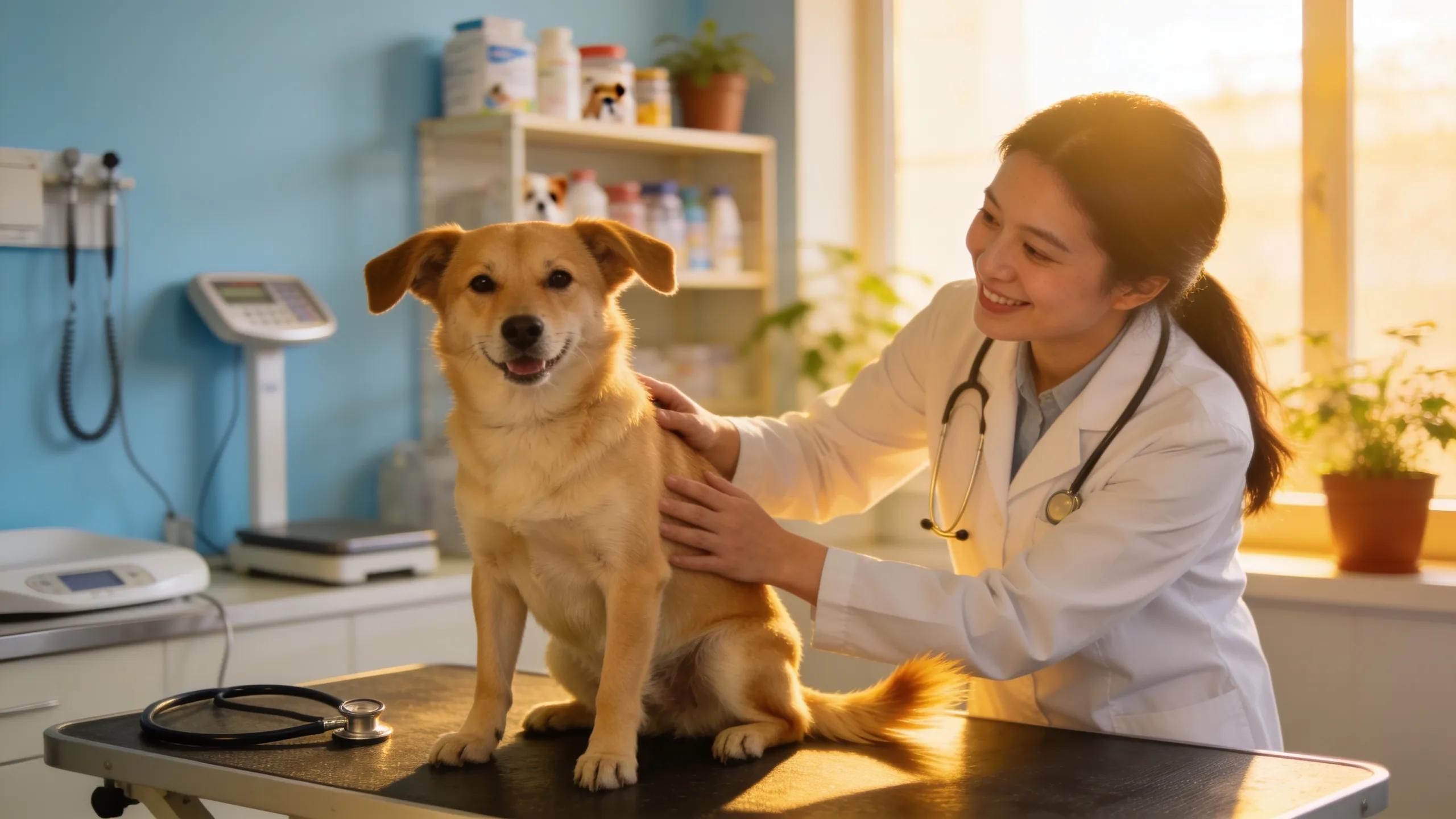
A trusted emergency veterinarian can be the difference between a manageable problem and a life-threatening situation. This guide explains how to find a dependable emergency vet, recognise the warning signs that need urgent care, and prepare for unforeseen events. Follow these practical steps to help ensure your pet gets timely, effective treatment when it matters most. We cover where to look for emergency care, the signs to watch for, and the services a reliable emergency clinic should provide.
How to Find a Reliable Emergency Vet Near Me?
Start by researching local clinics that offer emergency services: read online reviews, ask trusted friends or family for recommendations, and check the veterinarian’s credentials. Also confirm the clinic has the necessary facilities and trained staff to manage urgent cases safely and efficiently.
- Research Local Veterinarians: Look for clinics that specialize in emergency care and have a good reputation in your community.
- Check for Emergency Services: Confirm that the veterinarian provides 24/7 emergency services, as not all clinics do.
- Read Reviews and Testimonials: Online reviews can provide insight into the experiences of other pet owners and the quality of care provided.
Choosing a facility like Wellness Animal Hospital can help, as they offer compassionate, comprehensive services that include emergency treatment and support during crises.
What Are the Key Signs of a Pet Emergency to Watch For?

Recognizing the signs of a pet emergency lets you act without delay. Look for urgent indicators such as:
- Breathing Issues: Difficulty breathing or excessive panting can signal serious health problems.
- Severe Bleeding: Any significant bleeding, whether external or internal, requires immediate veterinary attention.
- Signs of Pain: If your pet is whimpering, hiding, or showing signs of distress, it may be experiencing pain that needs urgent care.
Knowing these warning signs helps you seek prompt veterinary attention and improve the chances of a positive outcome.
Timely recognition of critical symptoms, such as severe respiratory distress, is paramount for ensuring a positive outcome in pet emergencies.
Identification of Critical Canine Emergency Indicators for Immediate Veterinary Intervention
Canine emergency indicators necessitating immediate veterinary consultation, rather than deferred communication with a primary care veterinarian, are characterized by their rapid progression, often deteriorating within minutes to hours. Dyspnea, or difficulty breathing, represents a paramount concern. Clinical manifestations such as open-mouth breathing at rest, rapid and shallow respirations, cyanotic or pallid mucous membranes, or exaggerated abdominal muscle exertion during respiration, signify a respiratory emergency requiring urgent intervention. Prompt veterinary assessment is crucial.When to Go to Emergency Vet: Symptoms That Cannot Wait
How to Recognize Urgent Symptoms in Your Pet
Urgent symptoms can present in different ways; common examples include:
- Vomiting or Diarrhea: Persistent vomiting or diarrhea can lead to dehydration and may indicate a serious condition.
- Lethargy: If your pet is unusually tired or unresponsive, it may be a sign of a severe health issue.
- Seizures: Any seizure activity should prompt immediate veterinary care, as it can indicate serious neurological problems.
Early recognition and a quick veterinary assessment can significantly improve your pet’s chance of recovery.
When to Seek Immediate Emergency Vet Care
Recognize these situations as reasons to seek immediate veterinary attention:
- Injuries from Accidents: If your pet has been hit by a car or suffered a fall, seek emergency care right away.
- Poisoning: If you suspect your pet has ingested something toxic, contact an emergency vet immediately.
- Sudden Behavioral Changes: Any drastic change in behavior, such as aggression or withdrawal, can indicate a medical emergency.
Being prepared to respond to these scenarios helps you act quickly and improve the outlook for your pet.
What Services Should a Trusted Emergency Vet Provide?
A dependable emergency clinic should offer a set of essential services to diagnose and treat urgent conditions effectively. These commonly include:
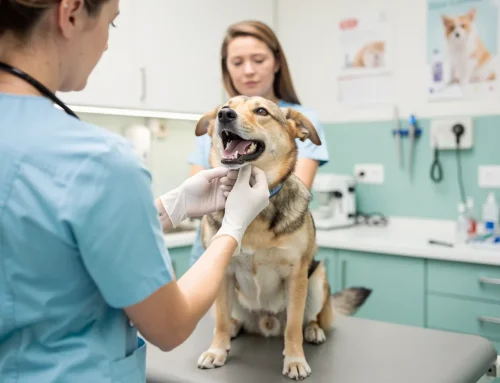
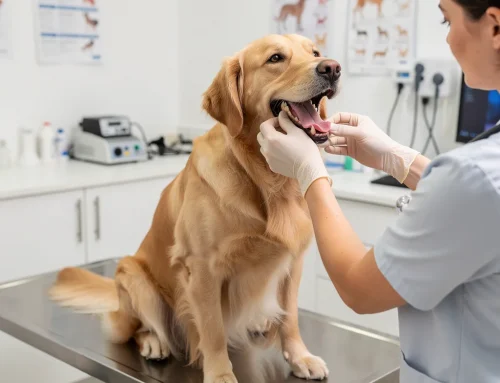
- Emergency Physical Exams: A thorough examination to assess your pet’s condition and determine the necessary treatment.
- Advanced Diagnostic Tools: Access to diagnostic equipment such as X-rays and ultrasound to identify underlying issues.
- Client Communication Practices: Clear communication with pet owners about their pet’s condition and treatment options.
Access to these services can speed diagnosis, guide treatment choices, and influence recovery.
| Service | Description | Importance |
|---|---|---|
| Emergency Physical Exams | Comprehensive assessments to identify health issues | Critical for diagnosis |
| Advanced Diagnostic Tools | Equipment like X-rays and ultrasounds for accurate diagnosis | Essential for treatment planning |
| Client Communication Practices | Keeping pet owners informed about their pet’s status | Vital for trust and understanding |
The table above summarises the essential services that support effective emergency care and clear communication with owners.
Understanding After Hours Vet Care and Urgent Pet Care Clinics
After-hours care covers emergencies that occur outside regular business hours. Many clinics and urgent-care centres offer these services; knowing which ones operate near you helps you decide where to go in a crisis.
- Availability of After-Hours Care: Many veterinary clinics provide emergency services after hours, ensuring that help is available when you need it most.
- Types of Urgent Care Clinics: Some clinics specialize in urgent care, focusing on non-life-threatening emergencies that still require prompt attention.
- How to Find Them: Research local clinics and their hours of operation to ensure you know where to go in an emergency.
Knowing your after-hours options gives you greater confidence and reduces delay when an emergency arises.
How Advanced Diagnostics Enhance Emergency Treatment
Advanced diagnostic tools enable veterinarians to identify problems quickly and tailor treatment plans. Fast, accurate testing is a key part of effective emergency medicine.
- Types of Diagnostic Tools: Common tools include blood tests, X-rays, and ultrasounds, which help identify underlying health issues.
- Benefits of Rapid Diagnostics: Quick access to diagnostic results can significantly reduce the time to treatment, improving outcomes for pets.
- Impact on Treatment Outcomes: Accurate diagnostics lead to better-targeted treatments, enhancing the chances of recovery.
Understanding the role of diagnostics helps you appreciate the level of care your pet receives during emergencies.
How to Prepare for Pet Emergencies to Ensure Quick Access to Care
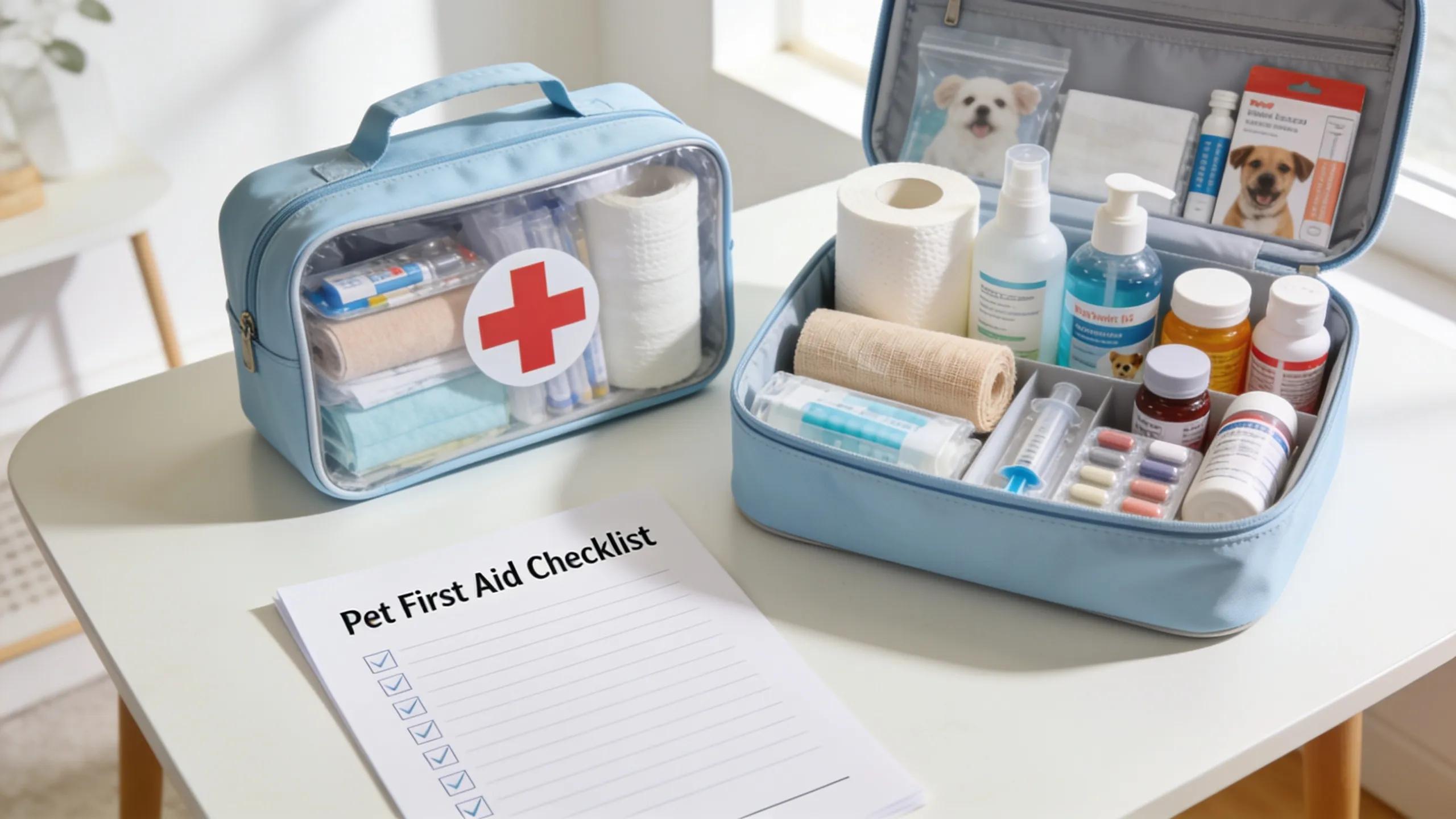
Prepare now so you can act quickly if your pet needs urgent care. Key preparation steps include:
- Necessary Supplies: Keep a pet first aid kit stocked with essential items like bandages, antiseptics, and any medications your pet may need.
- Emergency Contact Information: Have a list of emergency vet contacts readily available, including after-hours clinics.
- Steps to Take During an Emergency: Familiarize yourself with basic first aid for pets and know how to transport your pet safely to the vet.
Being prepared reduces delays and can improve the likelihood of a good outcome for your pet.
Essential Emergency Pet Care Checklists and Supplies
A concise emergency checklist helps you gather supplies and information quickly when time is short. Include items such as:
- Items to Include in a Pet First Aid Kit: Bandages, antiseptic wipes, tweezers, and any necessary medications.
- Important Documents to Have: Keep copies of your pet’s medical records, vaccination history, and any relevant health information.
- Contact Information for Emergency Services: Have a list of local emergency vets and poison control hotlines.
Keeping these lists and supplies organised makes it easier to respond calmly and effectively in an emergency.
Why Preventive Wellness Plans Reduce Emergency Risks
Preventive wellness plans lower the chance of emergencies by identifying health issues early. Regular check-ups, vaccinations and preventive treatments help maintain your pet’s health and catch problems before they escalate.
- Comprehensive Preventive Care: Regular veterinary visits can help catch potential health issues before they become emergencies.
- Cost Management: Preventive care can save money in the long run by avoiding costly emergency treatments.
- Ongoing Support: A wellness plan provides continuous support for your pet’s health, ensuring they receive the care they need.
Enrolling in a preventive care plan, such as those available from preventive care, can reduce emergency visits and support your pet’s long-term wellbeing.
What Are Common Questions About Emergency Pet Care?
Pet owners frequently have questions about emergency care. Below are clear answers to common concerns to help you prepare and respond confidently.
- How to Contact an After Hours Vet in My Area?: Research local clinics and save their contact information for easy access during emergencies.
- What to Expect During an Emergency Vet Visit?: Expect a thorough examination and clear communication about your pet’s condition and treatment options.
- Common Concerns During Emergencies: Many pet owners worry about the cost of emergency care and the potential outcomes for their pets.
Addressing these questions ahead of time will help you feel more prepared and reduce uncertainty during a real emergency.
Frequently Asked Questions
1. What should I do if my pet has been poisoned?
If you suspect poisoning, act immediately: call your emergency veterinarian or a poison control hotline and describe what was ingested and your pet’s current condition. Do not wait for symptoms to appear. If the clinic advises, take your pet in for urgent evaluation and bring any packaging or labels to help identify the substance.
2. How can I find emergency vet services in a new area?
Search online for local emergency clinics, check maps and reviews, and consult local pet-owner groups on social media. You can also ask staff at pet stores or people at dog parks for recommendations to find a reliable facility quickly.
3. What items should I include in a pet emergency kit?
Include bandages, antiseptic wipes, scissors, a digital thermometer, regular medications, a muzzle (if needed), a leash, water, portable bowls, and a copy of your pet’s medical records. Keep the kit accessible and familiarise yourself with its contents so you can act fast.
4. How often should pets see the vet to avoid emergencies?
Annual check-ups are a baseline for most pets; older animals or those with health issues may need more frequent visits. Regular exams, vaccinations, dental care and preventive treatments help detect problems early and reduce emergency risk.
5. What should I know about the costs of emergency veterinary care?
Emergency care costs vary by clinic, location and the services required. Ask the clinic about likely costs, payment plans or financing options, and check whether your pet insurance covers emergencies. Planning for potential expenses can ease financial stress during treatment.
6. Can I provide first aid to my pet before reaching the vet?
Yes. Basic first aid can stabilise your pet: control bleeding with gentle pressure and a clean cloth, keep your pet calm and warm, and avoid unnecessary movement. Learn first-aid techniques ahead of time and follow veterinary guidance when providing care.
7. What to do if I can’t reach an emergency vet?
If you cannot reach your usual emergency clinic, call other nearby clinics that offer emergency services and keep a list of contacts handy. Consider calling a pet poison control hotline if relevant, and provide basic first aid to keep your pet stable until professional help arrives.
Conclusion
A trusted emergency veterinarian is a vital part of keeping your pet safe. Learn the key warning signs, research dependable clinics in advance, and prepare a plan and emergency kit so you can act quickly. These steps increase the chance of a good outcome for your companion. Explore our resources and contact us to ensure your pet receives timely emergency care when it matters most.

Leave A Comment