


Is Your Pet Due for Preventive Care? Key Signs You Shouldn’t Ignore!

By Mike Krajewski, Animal Hospital in Lakewood Ranch | Vet Near You | Wellness Animal Hospital
Preventive care keeps your pet well and helps avoid more serious problems later. Routine check-ups, vaccinations and screenings let your veterinarian find issues early, when treatment is simpler and outcomes are better. Many owners wait for obvious symptoms before seeking care; proactive visits reduce that risk. This article outlines the signs that should prompt a vet visit, explains preventive care schedules, and shows how regular wellness exams support your pet’s quality of life.
What Are the Key Signs Indicating Your Pet Needs a Vet Visit?
Noticing early warning signs allows you to get veterinary help before conditions worsen. Pay attention to behaviour, appetite, energy level and physical changes; these often point to pain, infection or other medical issues. Regular exams also help catch subtle changes you might miss at home.
How to Recognize Early Symptoms of Illness in Dogs and Cats

Catching illness early improves treatment success. Common early signs to monitor include:
- Changes in Appetite: A decrease or increase in food intake can indicate underlying health issues.
- Lethargy: Excessive tiredness or lack of energy may suggest illness or discomfort.
- Vomiting or Diarrhea: These are often signs of gastrointestinal disturbances that require immediate attention.
If you notice these indicators, contact your veterinarian promptly so they can recommend testing or treatment before the problem advances.
When Should You Act on Behavioral and Physical Changes?
Some behavioural and physical changes need timely veterinary assessment. Watch for signs that indicate a visit is necessary:
- Behavioral Changes: Sudden aggression, withdrawal, or excessive vocalization may signal pain or anxiety.
- Physical Symptoms: Limping, difficulty breathing, or unusual lumps should be addressed immediately.
Acting quickly when these signs appear increases the chance of early diagnosis and simpler treatment, which supports better outcomes for your pet.
How Does a Pet Preventive Care Schedule Protect Your Pet’s Health?
A preventive care schedule sets regular milestones—vaccinations, examinations and diagnostic tests—that allow your veterinarian to monitor health over time. These visits help detect issues early and typically include dental checks, parasite control and nutrition reviews to support your pet’s wellbeing.
What Are the Recommended Vaccination Timelines by Pet Age?
Following a vaccination schedule protects pets at every life stage. Vaccines and boosters are timed to build and maintain immunity and reduce the risk of preventable diseases.
- Puppies and Kittens: Initial vaccines are typically administered between 6-8 weeks, followed by boosters every 3-4 weeks until 16 weeks.
- Adult Pets: Annual vaccinations for rabies and other diseases, depending on local laws and risk factors.
Keeping vaccines up to date lowers the chance of preventable illness and helps maintain your pet’s long-term health and quality of life.
How Do Regular Wellness Exams and Diagnostics Prevent Chronic Diseases?
Wellness exams and diagnostic testing identify risk factors and early signs of chronic disease, allowing targeted interventions. Your veterinarian can recommend lifestyle changes, treatments or monitoring for conditions such as dental disease or obesity that benefit from early management.
Making wellness exams a routine practice often reduces long-term medical costs by preventing emergency situations and catching problems while they are easier to treat. For comprehensive veterinary services, consider these pet treatment options.
What Are the Benefits of Customized Wellness Plans for Preventive Pet Healthcare?

Customized wellness plans tailor care to your pet’s age, breed, lifestyle and medical history. They prioritise the vaccinations, screenings and monitoring your pet needs and help anticipate risks unique to them.
- Tailored Preventive Services: An individualized approach ensures that your pet receives the necessary vaccinations, screenings, and health monitoring specific to their needs.
- Proactive Health Management: By anticipating potential health risks, customized plans can help in modifying behaviors or lifestyles that may lead to health concerns.
- Better Health Outcomes: Personalized plans often result in improved health and longevity for pets, as they address specific needs.
How Do Wellness Plans Integrate Vaccinations, Diagnostics, and Dental Care?
Wellness plans coordinate vaccinations, diagnostic testing and dental care on a schedule that fits your pet. This ensures each area of health is monitored and treated as needed.
A coordinated, preventive approach gives comprehensive care and helps maintain your pet’s quality of life.
Why Choose Wellness Animal Hospital’s Preventive Care Services in Florida?
Choosing Wellness Animal Hospital means your pet is cared for by a team focused on prevention and compassion. Their approach emphasises tailored wellness plans based on your pet’s age, breed and health to support a longer, healthier life.
How Can Preventive Dentistry Improve Your Pet’s Overall Health?
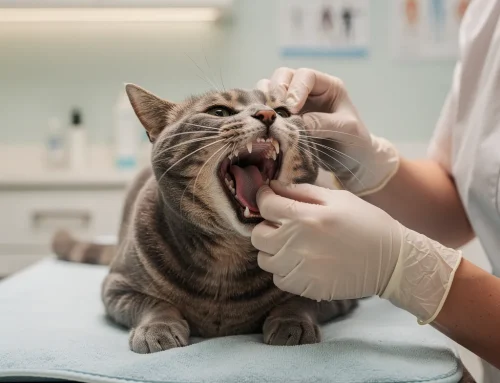
Preventive dental care reduces the risk of infections that can affect other organs and helps avoid painful periodontal disease. Regular cleanings and oral assessments limit plaque and tartar buildup and support overall health.
What Are the Signs Your Pet Needs a Dental Exam?
Look for signs that warrant a dental exam, such as persistent bad breath, difficulty chewing or swollen gums.
- Bad Breath: Persistent foul odor can indicate dental disease.
- Difficulty Eating: If your pet shows reluctance to chew or is favoring one side of their mouth, dental issues may be the cause.
- Swollen Gums: This can indicate early stages of gum disease that need veterinary assessment.
Timely dental assessment and treatment prevent pain and reduce the chance of infection spreading, helping your pet stay comfortable and healthy.
How Does Preventive Dental Care Reduce Future Health Risks?
Preventive dental care lowers future health risks by preventing periodontal disease, supporting digestion and eliminating pain from dental decay. For specialized pet dental care, consult your veterinarian.
When and How Should You Schedule Your Pet’s Preventive Care Appointments?
Make preventive visits part of your regular care routine. Aim for at least one annual exam for adult pets and increase the frequency for puppies, kittens or senior and medically fragile animals as advised by your veterinarian.
What Steps Are Involved in Booking Vaccinations and Wellness Exams?
Use a simple process to book vaccinations and wellness exams:
- Contact Your Vet: Call to discuss your pet’s health needs and schedule an appointment.
- Prepare Relevant Information: Have details such as your pet’s medical history ready.
- Arrive Prepared: Bring any necessary paperwork or previous health records to the appointment.
Preparing required information and communicating with your clinic helps ensure a smooth visit for you and your pet.
How to Prepare Your Pet for Diagnostic Testing and Preventive Visits?
Reduce stress during diagnostic testing and preventive visits with a few simple steps:
- Familiarize Your Pet: Take them for practice visits to get used to the environment.
- Maintain Routine: Keep feeding and exercise routines consistent before the appointment.
- Stay Calm: Your pet can sense your anxiety, so remain calm and reassuring to help them feel at ease.
These preparations make visits smoother and more productive. For detailed information on diagnostics, explore veterinary diagnostics.
Frequently Asked Questions
What should I do if my pet shows sudden behavioral changes?
If your pet suddenly becomes aggressive, withdrawn or is vocalizing more than usual, contact your veterinarian promptly. These changes often indicate pain, anxiety or other medical issues. Note when the behaviour began, any triggers and related physical signs — those details help the vet diagnose and treat the problem quickly. Early action reduces distress and supports faster recovery.
How often should I schedule preventive care appointments?
Appointment frequency depends on your pet’s age, health and lifestyle. Adult pets generally need at least one annual visit; puppies, kittens and senior pets often require more frequent check-ups. Your veterinarian will recommend the best schedule based on your pet’s specific needs.
Can preventive care help reduce future medical expenses?
Yes. Routine preventive care catches problems early, when treatment is usually simpler and less expensive. Vaccinations, dental care and regular screenings lower the risk of costly emergencies and long-term treatments.
How do I know if my pet needs more frequent check-ups?
Puppies, kittens and pets with chronic conditions often need more frequent monitoring. Any changes in behaviour, weight or physical appearance should prompt a reassessment of the care schedule. Consult your veterinarian to determine the right check-up frequency for your pet.
What role does diet play in preventive pet health care?
Diet strongly influences weight, immune function and disease risk. A balanced diet tailored to your pet’s age, size and breed supports energy levels and overall health. Discuss nutritional needs with your veterinarian to optimise your pet’s diet.
How can I manage my pet’s dental care at home?
Brush your pet’s teeth regularly with pet-safe toothpaste, provide dental treats or chews that reduce plaque, and keep scheduled professional cleanings as recommended. Watch for signs like bad breath or difficulty eating and seek veterinary care when needed.
What are the signs that indicate my pet might need urgent care?
Seek immediate veterinary attention for difficulty breathing, persistent vomiting or diarrhea, seizures, heavy bleeding, sudden collapse or inability to stand, extreme lethargy, or loss of consciousness. These signs indicate a medical emergency and require prompt care.
Conclusion
Regular preventive care improves your pet’s health and longevity. By watching for warning signs and scheduling early veterinary visits, you can prevent minor issues from becoming serious. Discuss tailored wellness plans with your veterinarian to keep your pet in optimal condition. For comprehensive preventive services, connect with Wellness Animal Hospital today.

Leave A Comment