

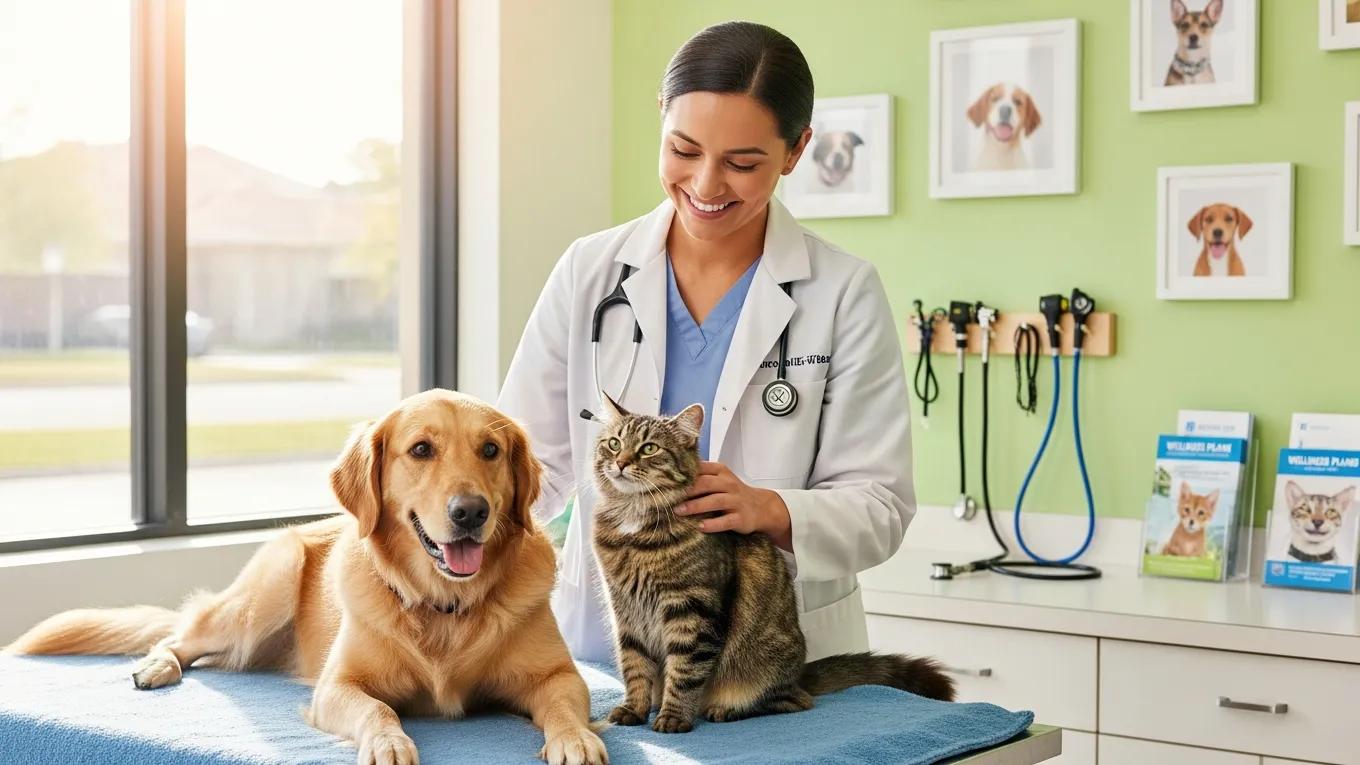
Preventative Care for Pets in Florida: Essential Wellness Plans and Early Disease Detection

By Mike Krajewski, Animal Hospital in Lakewood Ranch | Vet Near You | Wellness Animal Hospital
Preventative care is essential to your pet’s health in Florida, where heat and humidity increase certain risks. Routine veterinary visits help catch problems early and keep pets living longer, healthier lives. This article explains why preventative care matters in Florida, how wellness plans and vaccinations protect pets, and how early disease detection can save lives.
Regular check-ups catch many issues before they escalate, yet many owners underestimate their value. Routine veterinary care enables early diagnosis and simpler treatment. We’ll cover the benefits of exams, Florida-specific vaccine guidance, and key diagnostic tests that support prevention.
Using targeted wellness strategies helps protect your pet and keeps more happy years together. Let’s review essential preventative steps and how each supports a healthier pet.
What Are the Key Benefits of Routine Vet Visits for Florida Pets?
Routine vet visits form the backbone of effective pet care and offer benefits beyond shots. Exams give a full health check that finds early problems. Research shows pets seen regularly often enjoy better health and longer lives than those without routine care.
- Early Detection of Health Issues: Regular inspections can uncover hidden problems that may not present obvious symptoms. For example, conditions like diabetes, kidney disease, and dental issues can be diagnosed during routine visits, allowing for early intervention.
- Cost Savings: Preventative care often leads to significant financial savings in the long term. By addressing minor health problems early, owners can avoid more expensive treatments down the line, essentially making routine visits a cost-effective strategy.
- Comprehensive Health Assessments: Veterinary visits assess various aspects of pet health including weight management, nutritional needs, and behavioral issues. Through comprehensive evaluations, veterinarians help ensure pets maintain optimal health tailored to Florida’s unique environment.
In addition, Wellness Animal Hospital highlights its focus on preventative medicine. It offers tailored wellness plans that schedule recommended screenings and treatments to support long-term health.
How Do Regular Exams Support Early Disease Detection in Pets?
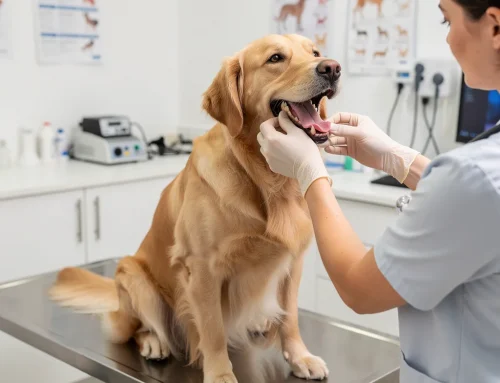
Regular exams are key to finding disease before it becomes serious. They include a full physical to track weight, skin, mobility and overall vitality. If vets spot concerns, they can order tests to confirm diagnoses and guide early treatment. This proactive approach keeps you informed about your pet’s health.
Early exams can detect several common conditions, such as:
- Heartworm Disease: Routine blood tests can reveal the presence of heartworm, a potentially fatal disease in pets, prevalent in many areas of Florida.
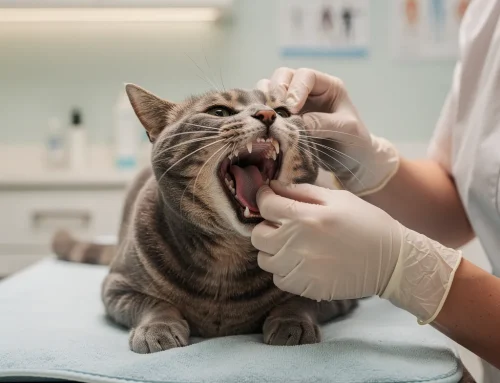
- Dental Disease: Regular checks allow for early identification of dental health issues, which can lead to pain and systemic health problems if left untreated.
- Obesity: Monitoring weight during routine visits can help prevent obesity-related illnesses, which are especially pertinent in warmer climates where excess weight can exacerbate heat stress.
Regular assessments combined with timely interventions form a proactive health plan that can extend your pet’s lifespan and quality of life.
Why Is Preventative Care Crucial in Florida’s Unique Climate?
Florida’s subtropical climate raises specific health risks for pets. Heat and humidity increase the chance of heat stress and parasitic threats, making preventative care especially important.
- Heat Stress Risks: As temperatures rise, pets are at risk for heat exhaustion, which can lead to heatstroke. Regular veterinary visits can help assess pets’ heat tolerance and provide guidance on keeping them cool.
- Parasite Control: The warm climate in Florida encourages a high prevalence of parasites such as fleas, ticks, and heartworms. Preventative measures, including year-round parasite control, can protect pets from these dangers, and veterinarians can tailor prevention plans to specific needs.
- Preventative Measures Against Climate-Related Issues: Seasonal checks can help address potential health risks associated with climate changes, including skin irritations and allergic reactions, both common in warmer months.
Adapting preventative care to Florida’s environment helps owners manage these risks and keep pets healthy year-round.
Florida’s aquatic habitats expose animals to waterborne pathogens and toxins that can affect health.
Aquatic Pathogens and Toxins: Impact on Florida’s Animal Populations
Florida’s aquatic environments hold numerous pathogens and toxins. Many of these organisms cause waterborne disease in humans and are reportable to the Florida Department of Health. This review sought to identify water-related pathogens and toxins of public health significance documented in Florida animal populations over the past two decades.
A systematic review of waterborne and water-related disease in animal populations of Florida from 1999–2019, AN Barnes, 1999
Which Vaccination Schedules Are Recommended for Dogs in Florida?

Vaccination is a key part of preventative care for dogs in Florida. A customised schedule protects against diseases common in the state. Consult your veterinarian to create a plan suited to your dog’s age, health and lifestyle.
What Vaccines Protect Against Common Florida Pet Diseases?
Some vaccines are essential in Florida to protect against local threats. Core vaccines typically recommended include:
| Vaccine | Disease | Frequency |
|---|---|---|
| Rabies | Rabies virus | Vaccination is required by law, typically administered at 12 weeks with boosters every 1-3 years. |
| DHPP (Distemper, Hepatitis, Parvovirus, Parainfluenza) | Various viral diseases | Initial series at 6, 12, and 16 weeks; booster every 1-3 years. |
| Bordetella | Kennel cough | Annually, especially important for dogs who frequent groomers or boarding facilities. |
These vaccines reduce the risk of severe, sometimes fatal, illnesses.
How Often Should Dogs Receive Vaccinations in Florida?
Vaccine timing depends on age, health and exposure. Core vaccines are usually given every 1 to 3 years; puppies need a series in their first months to build immunity.
Always work with your veterinarian to tailor a vaccination schedule to your dog’s needs and local regulations.
How Can Cat Flea and Tick Prevention Protect Your Pet in Florida?
Stopping fleas and ticks is essential for cats in Florida, where warm weather favours parasites. Effective prevention improves comfort and lowers disease risk.
What Are the Best Parasite Prevention Methods for Florida Cats?
Effective parasite prevention options for cats include:
- Topical Treatments: Monthly applications that kill fleas and ticks on contact are highly recommended.
- Oral Medications: Some oral medications provide extended protection against fleas and ticks, making them convenient options for pet owners.
- Environmental Control: Keeping the home and yard clean and treated can significantly reduce flea and tick populations.
Regular vet visits let a clinician assess how well prevention is working and adjust treatment when needed.
What Do Comprehensive Pet Wellness Plans in Florida Include?
Comprehensive wellness plans bundle preventive services to maintain long-term health. They include services that detect and address issues early.
- Annual Wellness Check-Ups: Routine physical exams that focus on overall health assessments.
- Vaccination Management: Oversight and scheduling of vaccinations according to state regulations and specific pet needs.
- Dental Care: Regular dental cleanings and evaluations to prevent periodontal diseases.
Enrolling in a wellness plan helps owners keep care consistent and supports better long-term outcomes for pets.
Studies show that enrolling pets in wellness programs raises the standard of care.
The Benefits and Financial Implications of Pet Wellness Programs
Pets in wellness programs consistently receive an elevated standard of care. This article offers an economic analysis of program structures.
Wellness plans in practice: what works and why, 2014
How Do Wellness Plans Address Vaccinations, Parasite Control, and Dental Care?
Wellness plans combine vaccinations, parasite prevention and dental care into a coordinated schedule. That organisation helps reduce the chance of serious problems developing and keeps care predictable.
- Vaccinations: Regular updates and health assessments surrounding vaccinations help to ensure pets are always protected.
- Parasite Control: Preventative measures are easily updated within wellness plans, which include the latest, most effective treatments.
- Dental Care: Access to routine dental evaluations and cleanings promotes long-term oral health while preventing systemic diseases that can arise from poor dental hygiene.
This coordinated care maintains continuity, helping owners feel confident their pets receive steady monitoring.
Are Wellness Plans Cost-Effective for Long-Term Pet Health?
A wellness plan can save money over time. Research shows long-term benefits often outweigh initial costs, especially compared with treating advanced disease.
- Cost Management: Routine preventative care is less expensive than treating serious health conditions that could have been avoided.
- Saves Money on Emergency Services: Early detection through routine visits can prevent emergencies that incur higher treatment costs.
- Peace of Mind: The reassurance that pets are receiving continual monitoring and preventative care can reduce stress for owners.
Reviewing how wellness plans support long-term health and may reduce owner costs highlights their role in modern pet care.
How Can Pet Owners Recognize Early Signs of Illness in Their Pets?

Recognizing early signs lets you seek timely treatment. Be vigilant for unusual behaviour or symptoms and contact your veterinarian when concerns arise.
- Behavioral Changes: Shifts in activity levels, appetite, or social interaction can indicate underlying health issues.
- Physical Symptoms: Signs such as vomiting, diarrhea, excessive thirst, and lethargy are potential warning signs that require prompt veterinary attention.
- Regular Observations: Keeping track of any sudden changes or new behaviors observed during routine interactions plays a critical role in early disease detection.
Perform regular at-home checks and keep open communication with your veterinarian to address issues early.
What Symptoms Indicate the Need for Immediate Veterinary Attention?
Some signs require urgent veterinary care. Watch for:
- Excessive Vomiting or Diarrhea: Accompanied by lethargy or dehydration, these signs necessitate a prompt evaluation.
- Difficulty Breathing: Any indication of respiratory distress should be treated as an emergency.
- Severe Pain or Discomfort: Any signs of pain, such as whining, hiding, or aggression, should prompt immediate veterinary care.
Early recognition of these signs can be critical for recovery.
What Diagnostic Tests Support Preventative Care for Florida Pets?
Diagnostic tests are central to prevention. They let vets monitor organ function and detect early disease, with test choices based on age and medical history.
- Blood Work: Routine blood tests can help identify organ function, blood cell counts, and other health parameters.
- Fecal Examinations: Fecal tests help detect parasites and other intestinal issues in pets.
- Urinalysis: This test can provide insights into kidney function and other metabolic processes.
Using test results, veterinarians can recommend targeted preventive steps tailored to each pet.
Which Tests Are Recommended for Early Disease Identification?
Regular testing can reveal conditions missed on physical exam. Common recommended tests include:
- Complete Blood Count (CBC): Monitors overall health and detects conditions like anemia or infections.
- Biochemical Profiles: Evaluates organ function and detects metabolic abnormalities, especially in aging pets.
- Heartworm and Tick-Borne Disease Testing: Both are essential in Florida due to prevalent diseases affecting local pets.
Using these tests helps owners and vets act quickly on important health issues, protecting your pet’s well-being.
Modern molecular diagnostics have improved early, precise disease detection in pets.
Molecular Diagnostics in Early Detection of Pet Diseases
Traditional diagnostic methods have been useful but can lack sensitivity and specificity for early detection. Molecular diagnostics now offer faster, more accurate tools to identify a wide range of diseases in companion animals.
Molecular Diagnostics: A New Era in Pet Disease Detection, 2024
How Do Diagnostics Complement Routine Wellness Exams?
Diagnostics supplement routine exams, allowing vets to build personalised care plans. When exams flag abnormalities, tests confirm issues so treatment can start promptly.
Together, exams and diagnostics improve decision-making, raise the standard of care and support healthier, happier pets.
Frequently Asked Questions
1. What are some signs that my pet might need more frequent veterinary check-ups?
If you notice major behavior changes—more lethargy, loss of appetite, aggression—or new physical signs like unexplained weight loss, persistent coughing, or odd stools, schedule a vet visit. Senior pets, animals with chronic conditions, or pets adjusting to big changes (like a move) often benefit from more frequent checks to catch issues early.
2. How can I prepare my pet for a veterinary visit?
Prepare by making travel and the exam positive: acclimatize your pet to its carrier or car, bring medical records and a list of questions, and confirm fasting instructions for bloodwork or vaccinations with your vet. Stay calm—your composure helps your pet.
3. Are there specific dietary recommendations for pets in Florida?
Yes. In Florida, focus on hydration and skin health. Ensure constant access to fresh water and consider foods with higher moisture content. Omega-3 fatty acids can help skin and allergy issues common in humidity. Ask your vet for a diet plan tailored to your pet’s needs.
4. When should I start vaccinations for my puppy or kitten?
Start vaccines at about 6–8 weeks, depending on the vaccine. The initial series needs several doses weeks apart to build immunity. Core vaccines—like rabies, DHPP for dogs and FVRCP for cats—should be completed within the first few months. Confirm a schedule with your veterinarian.
5. What are some common misconceptions about pet vaccinations?
Common myths: vaccines are only for young animals—false; adults need boosters. Severe reactions are rare—most side effects are mild. Indoor pets still need protection—many diseases can spread indoors. Discuss any concerns with your veterinarian.
6. How can I ensure my pet is protected from ticks and fleas year-round?
Use a vet‑recommended year‑round prevention plan that may combine topical and oral products. Groom regularly and check your pet’s coat. Keep home and yard clean—vacuum often and treat the environment if needed. Ask your vet which products suit your pet and local risks.
7. What should I do if my pet is diagnosed with a chronic condition?
Work closely with your veterinarian to create a care plan that covers medication, diet and monitoring. Learn the condition so you can spot changes, and consider support groups for practical and emotional help.
Conclusion
Routine preventative care is essential to long-term health and happiness for Florida pets. Enrolling in wellness plans gives access to vaccinations, diagnostics and preventive services tailored to each animal. This proactive approach improves quality of life and can reduce long-term costs. Explore wellness plan options with your veterinarian to support your pet’s health.

Leave A Comment