


Preventive veterinary care keeps pets healthier for longer by catching problems early and reducing the need for complex treatments. This guide explains wellness plans, key vaccinations, parasite control, dental care and diagnostic testing so you can make informed choices for your pet. It highlights the services available at Wellness Animal Hospital, a full-service clinic serving Parrish and nearby communities.
Knowing what preventive care includes helps you protect your pet and budget for routine services. This article outlines the core benefits of wellness plans and the standard services they cover, while explaining how vaccinations, parasite control, dental care and diagnostics work together to support long-term health.
Benefits of Wellness Plans

Wellness plans simplify preventive care by combining routine services into predictable packages. That predictability helps you plan financially while ensuring your pet gets scheduled exams, vaccines and screenings that catch problems early when they’re easier and less costly to treat.
Regular visits under a wellness plan mean timely vaccinations, screenings and follow‑up when needed. That continuity improves your pet’s quality of life and builds a relationship with your veterinary team so you get clear guidance tailored to your pet.
Included Services
Wellness plans typically include a set of core preventive services designed to monitor and protect your pet’s health.
- Unlimited Physical Exams: Regular check-ups to monitor health and catch any potential issues early.
- Core Vaccinations: Essential immunizations that protect pets from common diseases.
- Annual Bloodwork: Routine blood tests to assess overall health and detect any underlying conditions.
These core services form the foundation of preventive care. By enrolling in a wellness plan, you ensure scheduled care and easier access to the preventive treatments your pet needs.
Affordability
Cost is a common concern. Wellness plans ease that by offering monthly payment options and bundled pricing so routine care is manageable and predictable instead of an unexpected expense.
Bundling services also lowers the overall cost compared with paying for each item separately, which makes it simpler to prioritise routine care and keep your pet protected.
Essential Vaccinations
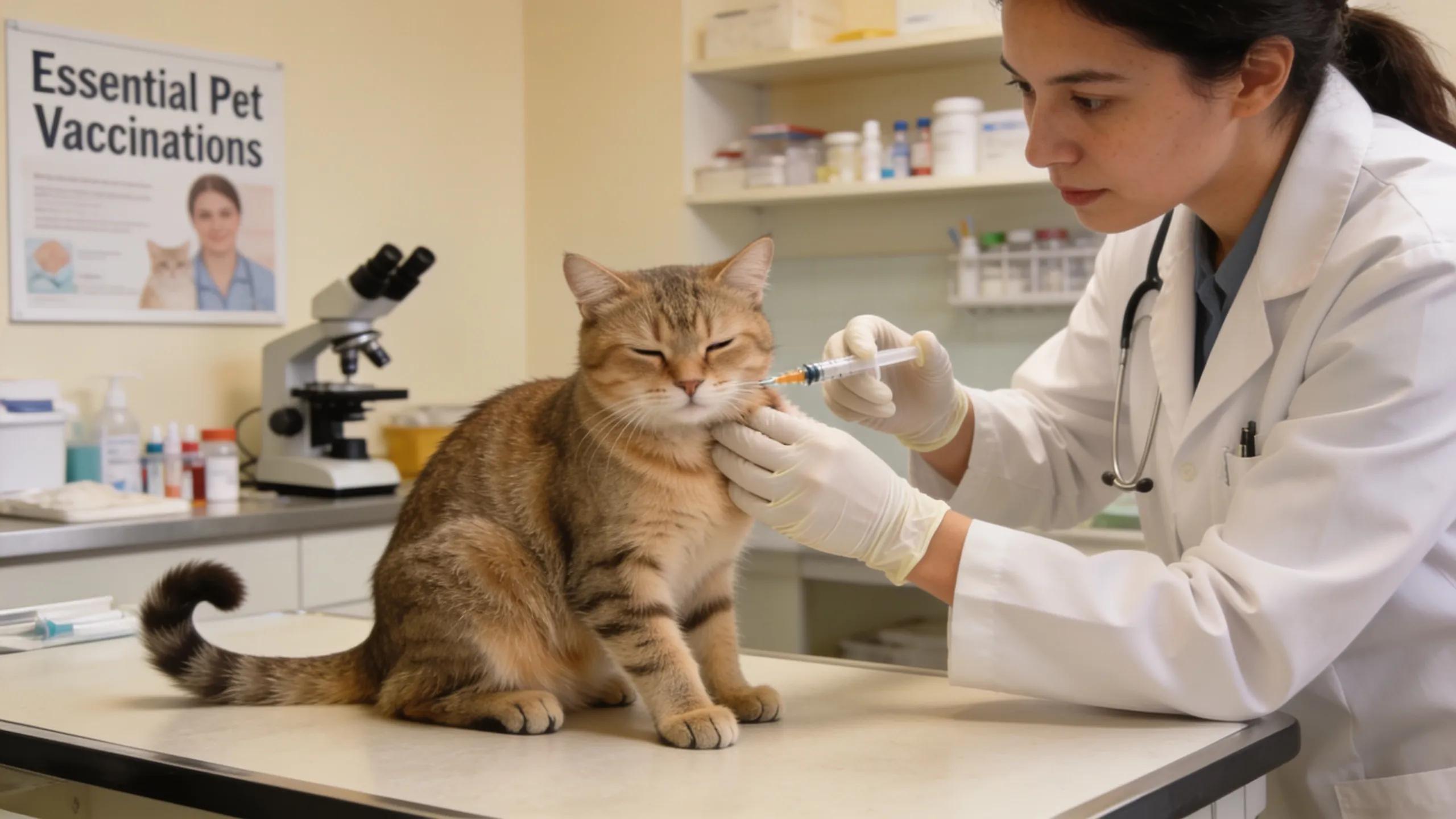
Vaccinations protect pets against serious infectious diseases. Core vaccines for dogs and cats commonly cover rabies, distemper and parvovirus—diseases that can cause severe illness or death if left unchecked.
- Rabies: A fatal disease that affects the nervous system and is transmissible to humans.
- Distemper: A highly contagious viral disease that can lead to severe respiratory and neurological issues.
- Parvovirus: A serious viral infection that primarily affects puppies and can be fatal if not treated promptly.
Keeping vaccinations current protects your pet and reduces disease spread in the community through increased herd immunity.
International guidelines support routine vaccination of companion animals to prevent disease and strengthen community protection.
WSAVA Global Vaccination Guidelines for Dogs and Cats
The WSAVA Vaccination Guidelines Group (VGG) was established to formulate globally applicable guidelines for canine and feline vaccination. Initial guidelines were published in 2007 and subsequently updated in 2010. This document represents a revised and expanded version of these international guidelines for small companion animal vaccination, detailing the scientific evidence underpinning the recommendations. The VGG acknowledges the substantial global variations in companion animal husbandry practices and associated economic factors, recognizing that vaccination recommendations suitable for developed nations may not be appropriate for developing countries. These guidelines are not prescriptive mandates; rather, they are intended to assist national associations and individual veterinary practices in developing vaccination protocols tailored to local conditions. Nevertheless, the VGG strongly advocates for the vaccination of ALL dogs and cats whenever feasible. This not only safeguards individual animals but also contributes to optimal ‘herd immunity,’ thereby minimizing the potential for infectious disease outbreaks. WSAVA Guidelines for the vaccination of dogs and cats, 2014
Recommended Vaccination Schedules
A clear vaccination schedule ensures immunisations happen at the right times. For young animals, start vaccines at about 6–8 weeks and give boosters every 3–4 weeks until about 16 weeks of age.
- Puppies: Initial vaccinations at 6-8 weeks, followed by boosters every 3-4 weeks until 16 weeks of age.
- Kittens: Similar to puppies, with vaccinations starting at 6-8 weeks and boosters every 3-4 weeks until 16 weeks.
Adult pets usually need booster shots every 1–3 years depending on the vaccine and the animal’s health. Follow your veterinarian’s schedule to keep protection current.
What Are Pet Wellness Plans and How Do They Benefit Your Pet in Parrish?
Pet wellness plans are structured preventive programs that bundle routine exams, vaccinations and basic diagnostics to keep your pet healthy. Their main aim is prevention—finding problems early so treatment is simpler and outcomes are better.
When you sign up for a plan, you get regular check-ups and timely vaccines that lower disease risk and improve your pet’s daily well‑being. These plans also create a consistent care pathway between you and your veterinary team.
What Services Are Included in Wellness Plans at Parrish Veterinary Clinics?
At clinics like Wellness Animal Hospital, wellness plans generally include routine exams, vaccination services and diagnostic testing to monitor health and catch issues early.
- Routine Wellness Exams: Regular check-ups to monitor health and catch any potential issues early.
- Vaccination Services: Core vaccinations to protect against common diseases.
- Diagnostic Testing: Bloodwork and other tests to assess overall health and detect any underlying conditions.
These combined services help ensure pets stay current with preventive care and receive prompt attention when concerns arise.
How Do Wellness Plans Support Affordable and Proactive Pet Care?
Wellness plans support affordability by turning routine care into predictable monthly payments and offering bundled discounts, which makes preventive care easier to maintain.
That predictability encourages regular visits and early detection, which keeps small problems from becoming costly emergencies and strengthens the vet‑owner partnership in your pet’s care.
Essential Vaccinations
Core vaccination services protect pets from diseases that can seriously harm individual animals and the wider community. In Parrish, core vaccines typically include rabies, distemper and parvovirus.
- Rabies: Required by law and essential for preventing this fatal disease.
- Distemper: Protects against a highly contagious viral disease.
- Parvovirus: Critical for preventing severe gastrointestinal illness in puppies.
Ensuring pets receive these vaccinations is a key step in safeguarding both individual animals and public health.
What Is the Recommended Vaccination Schedule for Dogs and Cats?
Vaccination schedules for puppies and kittens start early—first shots at about 6–8 weeks with boosters every 3–4 weeks until roughly 16 weeks of age.
- Puppies: Initial vaccinations at 6-8 weeks, followed by boosters every 3-4 weeks until 16 weeks of age.
- Kittens: Similar to puppies, with vaccinations starting at 6-8 weeks and boosters every 3-4 weeks until 16 weeks.
Adult pets require periodic boosters, usually every 1–3 years depending on the vaccine and your pet’s health; follow your veterinarian’s advice for timing.
How Do Vaccinations Protect Pets from Common Infectious Diseases?
Vaccines train the immune system to recognise and respond to specific pathogens. After vaccination, your pet’s body can mount a faster, stronger response if exposed to the real disease.
Vaccinating reduces the chance of serious illness for individual pets and lowers disease spread in the community, protecting other animals and people.
How Can Parasite Prevention Protect Your Pet’s Health in Parrish?
Parasite prevention guards pets against fleas, ticks and heartworms, which can cause itching, infection and serious internal disease. A consistent prevention plan reduces infestation risk and the complications parasites bring.
Use the preventive methods your veterinarian recommends—topicals, oral medications and vaccines where appropriate—to lower the chance of infestations and related illnesses.
What Are the Most Common Parasites Affecting Pets in Parrish?
Local parasites of concern include:
- Fleas: These tiny insects can cause itching, skin infections, and allergic reactions.
- Ticks: Ticks can transmit diseases such as Lyme disease and Rocky Mountain spotted fever.
- Heartworms: These parasites can lead to severe heart and lung issues if left untreated.
Knowing which parasites are common helps you choose the right preventive strategy for your pet.
Research highlights the critical need for consistent prophylaxis, particularly given the prevalence of heartworm in relocated animals.
Canine Dirofilariasis Prevalence and Prophylaxis in Relocated Canids
Animal welfare organizations are increasingly transporting a substantial number of canids across state lines to enhance adoption rates and mitigate euthanasia among homeless animals. Reports indicate that only approximately one-third of these organizations conduct testing for dirofilariasis, initiate treatment, or administer prophylactic measures prior to canine relocation. The documented prevalence of dirofilariasis in canids within animal shelters or those rescued post-natural disasters ranges from 14.6% to 48.8%. This analysis was undertaken to assess the correlation between canine importation and the incidence of dirofilariasis in the Colorado canine population. Dog importation and changes in heartworm prevalence in Colorado 2013–2017, RS Parrish, 2013
What Parasite Prevention Options Are Available for Dogs and Cats?
Options include topical treatments applied to the skin, oral medications taken by mouth and vaccines for specific diseases like Lyme where available. Your vet will recommend the best choice based on your pet’s lifestyle and risk factors.
- Topical Treatments: These are applied directly to the skin and provide protection against fleas and ticks.
- Oral Medications: These medications are ingested and can prevent heartworm infections and control flea infestations.
- Vaccinations: Certain vaccines can protect against diseases transmitted by parasites, such as Lyme disease.
Following a vet‑recommended prevention schedule is the most effective way to reduce parasite risk and protect your pet’s health.
Why Is Regular Pet Dental Care Important for Preventive Health?
Good dental care prevents periodontal disease, which causes pain, tooth loss and can affect the heart, liver and kidneys if bacteria enter the bloodstream. Keeping your pet’s mouth healthy supports overall wellness.
Professional cleanings, daily home care like brushing, and dental chews reduce plaque and tartar. Regular dental exams let your veterinarian treat issues early before they become painful or systemic.
What Dental Procedures Are Offered to Maintain Your Pet’s Oral Health?
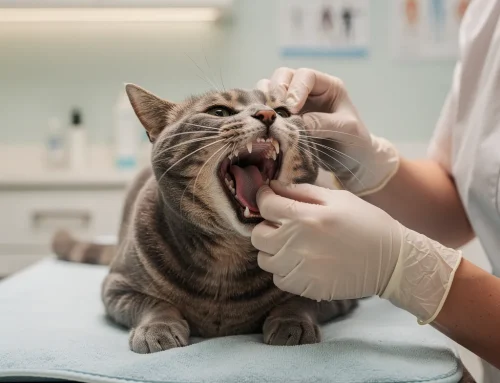
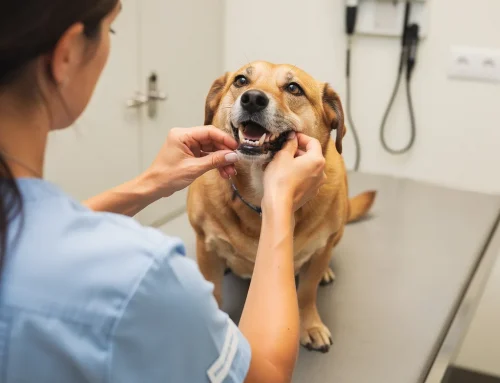
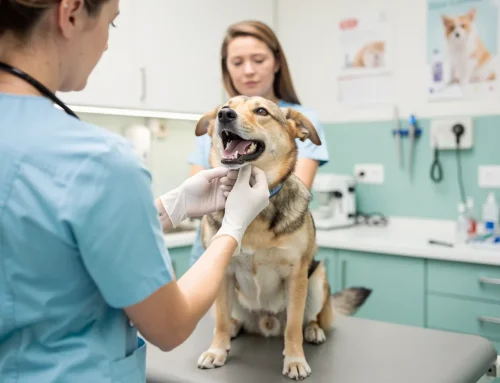
Common dental services include annual dental exams, professional cleanings to remove plaque and tartar, and extractions when teeth are damaged or infected.
- Annual Dental Exams: Regular check-ups to assess dental health and identify any issues.
- Professional Cleanings: Thorough cleanings performed by veterinarians to remove plaque and tartar buildup.
- Extractions: Removal of damaged or diseased teeth to prevent further health complications.
These procedures keep mouths healthy, relieve pain and prevent dental disease from affecting other organs.
How Does Dental Care Contribute to Overall Wellness in Pets?
Bacteria from untreated periodontal disease can enter the bloodstream and harm major organs. Regular dental care lowers that risk and supports long‑term organ health.
Beyond health benefits, dental care improves your pet’s comfort and quality of life by preventing the pain and eating difficulties that come with dental disease.
What Diagnostic Testing Supports Early Detection in Preventive Care?
Diagnostic testing such as bloodwork and urinalysis helps detect problems before symptoms appear. Early detection means earlier, more effective treatment and better outcomes.
Routine diagnostics are commonly included in wellness plans so vets can track organ function and spot trends that warrant action.
Which Diagnostic Tests Are Recommended for Routine Pet Health Checkups?
Typical routine tests include blood work to evaluate organ function, urinalysis to assess kidney and urinary health, and annual heartworm testing for dogs.
- Blood Work: Comprehensive blood tests to assess organ function and detect underlying health issues.
- Urinalysis: Tests to evaluate kidney function and detect urinary tract infections.
- Heartworm Testing: Annual tests to check for heartworm infections, which can be life-threatening if left untreated.
These diagnostics give your veterinarian the information needed to recommend treatment or preventive changes early.
How Do Advanced Diagnostics Improve Pet Health Outcomes?
Advanced tests—such as imaging and specialised blood panels—give more detail when routine exams raise questions. They help pinpoint problems and guide targeted treatment plans.
Using advanced diagnostics lets your vet tailor care precisely, which often leads to better, faster recovery. For more on these services, see Wellness Animal Hospital’s diagnostics page.
How Should Preventive Care Be Tailored for Senior Pets in Parrish?
Senior pets need more frequent monitoring because they’re more prone to arthritis, dental disease and organ decline. Tailored preventive care includes extra check‑ups, adjusted diets and activity plans to keep them comfortable and active.
Frequent exams help catch age‑related conditions early so you and your vet can manage them before they reduce quality of life.
What Special Wellness Strategies Are Recommended for Aging Pets?
Strategies for older pets include pain management for arthritis, nutrition that supports joints and weight control, and regular screenings for conditions like kidney disease and cancer.
- Pain Management: Implementing strategies to manage arthritis and other age-related discomforts.
- Nutritional Support: Providing diets tailored to meet the specific needs of senior pets, including joint support and weight management.
- Preventive Screenings: Regular screenings for common age-related health issues, such as kidney disease and cancer.
These approaches help maintain mobility, comfort and detect treatable issues early so senior pets stay as healthy as possible.
How Can Nutrition and Regular Exams Support Senior Pet Health?
A balanced senior diet and scheduled exams help control weight, support joints and monitor organ health. Together they reduce the risk of age‑related decline and support daily comfort.
Prioritising nutrition and routine check‑ups improves senior pets’ longevity and quality of life. For dental needs, see Wellness Animal Hospital’s dentistry, and for travel or health documentation consult Health Certificates.
Frequently Asked Questions
1. What should I consider when choosing a wellness plan for my pet?
Look at what services are included, how often visits are covered and whether the plan matches your pet’s age and lifestyle. Check if vaccinations, dental care and screenings are part of the package and whether monthly payments are available. Discuss options with your veterinarian to find the best fit for your pet and your budget.
2. How can I ensure my pet stays up-to-date with vaccinations?
Work with your veterinarian to set a vaccination schedule and keep a written record. Use calendar reminders or pet care apps to track due dates, and book appointments in advance so shots aren’t missed.
3. What signs indicate that my pet might need diagnostic testing?
Seek testing if your pet shows appetite or weight changes, persistent vomiting or diarrhoea, lethargy, coughing, breathing problems or altered behaviour. If you notice these signs, contact your vet for an exam—early diagnostics help catch issues before they worsen.
4. Are there specific dental health products you recommend for pets?
Dental treats that reduce plaque, enzymatic toothpaste for brushing and water additives or oral gels can support oral hygiene between cleanings. Ask your veterinarian which products suit your pet’s needs and how to use them correctly.
5. How important is parasite prevention throughout the year?
Year‑round parasite prevention is essential in warm climates like Florida because fleas, ticks and heartworms can be active much of the year. Follow a veterinarian‑prescribed plan to keep protection consistent and comprehensive.
6. What are the benefits of senior wellness strategies for older pets?
Senior wellness plans help detect age‑related problems early, support joint and organ health through tailored nutrition and exercise, and provide pain management when needed. These measures keep older pets comfortable and more active as they age.
7. How can I get my pet ready for a veterinary visit?
Bring previous medical records, write down questions or concerns, and bring a familiar toy or blanket to reduce stress. Choose quieter appointment times if your pet is anxious, and acclimatise them to car rides and the clinic to make visits smoother.
Conclusion
Comprehensive preventive care in Parrish delivers clear benefits: earlier detection of illness, more affordable long‑term care and better quality of life for pets. Prioritise wellness plans, vaccinations and routine diagnostics, and work with a trusted provider to tailor a care plan to your pet’s needs. Learn more about veterinary services available at Wellness Animal Hospital today.

Leave A Comment