

Understanding Pet Vaccinations for Optimal Health: A Complete Guide to Pet Vaccine Schedules and Benefits

By Mike Krajewski, Animal Hospital in Lakewood Ranch | Vet Near You | Wellness Animal Hospital
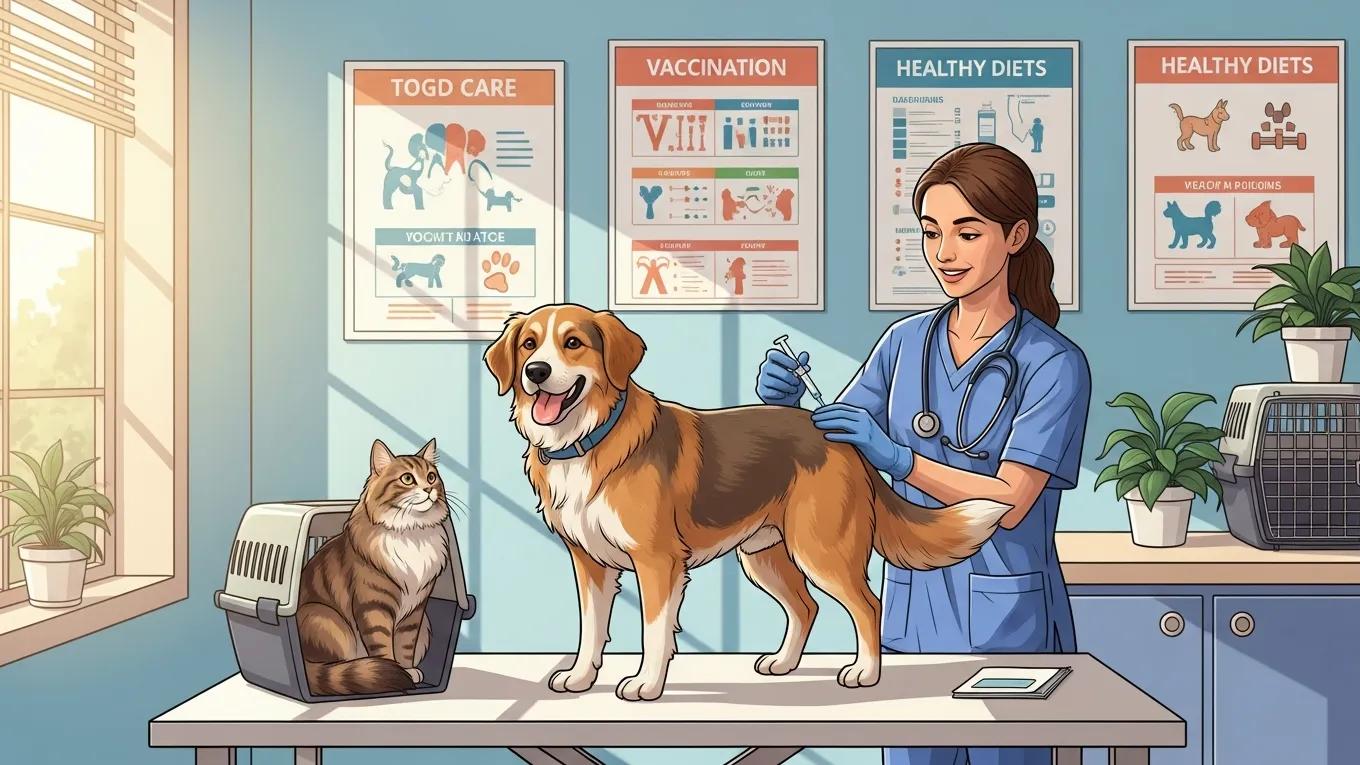
Vaccinations protect pets from many preventable diseases and support long-term wellbeing. They prime the immune system to recognise specific threats so animals can fight infection more effectively and reduce disease spread. This guide explains why vaccines matter, the benefits they offer, typical schedules, and best practices for keeping records. We also cover common side effects, how vaccination plans are personalised, the role of routine veterinary care, and how Wellness Animal Hospital can help you make informed choices for your pet.
1. Importance of Vaccinations
Vaccines protect pets from serious illness by exposing the immune system to a safe form of a pathogen so it can learn to respond. This preventive approach reduces disease in individual animals and across the pet population. Some vaccines are legally required and help prevent zoonotic outbreaks that can affect people as well.
Veterinary teams strongly recommend following established guidelines to keep vaccinations safe and effective.
Adhering to Canine and Feline Vaccination Guidelines
We recommend practitioners follow updated canine and feline vaccination guidelines and understand that vaccination is a medical procedure requiring professional rigor.
Duration of immunity for canine and feline vaccines: a review, 2006
2. Benefits of Vaccinations
Vaccinations offer clear, practical benefits for pets and their owners.
- Immune System Preparation: Vaccines train the immune system to recognize pathogens quickly, enabling a swift response if an exposure occurs.
- Cost-Effective Medical Care: By preventing serious illnesses, vaccinations can lead to significant savings on veterinary bills over time.
- Community Health Benefits: Vaccination not only protects individual pets but also contributes to herd immunity within the pet community, thereby lessening the likelihood of outbreaks.
Given these benefits, include vaccinations in your pet’s routine care and discuss comprehensive wellness plans to maintain health across their life. For specialised treatment options, review available pet treatment services with your veterinarian.
3. Vaccine Schedules

Vaccination schedules are personalised to ensure pets receive the right vaccines at the appropriate ages and stages of life.
| Pet Type | Core Vaccines | Optional Vaccines | Frequency |
|---|---|---|---|
| Puppies | DHPP, Canine Parvovirus, Canine Influenza | Bordetella | Every 3-4 weeks until 16 weeks |
| Kittens | FVRCP, Rabies | FeLV | Every 3-4 weeks until 16 weeks |
| Adults | Booster for DHPP and Rabies | Leptospirosis | Annual or biannual boosters |
The table shows typical schedules by pet type and highlights the need for boosters as pets mature or encounter new risks. Keep regular veterinary appointments to stay current with immunisations and to address health concerns; use diagnostic testing when recommended to guide care (diagnostics).
After the initial series, ongoing assessment is essential to maintain protection in adult pets.
Annual Risk Assessment for Kitten and Puppy Vaccinations
After the initial puppy and kitten series, conduct an annual, individual risk assessment to decide which vaccines remain necessary. The following section summarises key feline and canine vaccine considerations.
The latest feline vaccination protocols., 2005
4. Managing Vaccination Records
Accurate vaccination records let you track boosters, confirm required shots for travel or boarding, and support proactive health planning.
- Using Digital Tools: Many pet owners now utilize apps or software designed to keep track of vaccinations and health records.
- Requesting Official Records from Vets: When onboarding a new pet or moving, it’s essential to obtain the official vaccination records from previous veterinary care.
- Importance of Vaccination History: Maintaining an up-to-date record helps in planning future vaccinations and managing the overall health strategy for the pet.
Keeping organised records improves ongoing care and can support a longer, healthier life for your pet. For official documentation needed for travel or other purposes, obtain accurate health certificates.
5. Understanding Side Effects and Safety

Most pets tolerate vaccines well, though some may show mild, short-lived side effects.
- Common Mild Reactions: These reactions may include slight lethargy, reduced appetite, or a minor fever. These symptoms are typically temporary and resolve on their own.
- When to Seek Veterinary Care: If a pet shows signs of severe allergic reactions, such as difficulty breathing or swelling, immediate veterinary attention is necessary.
- Long-Term Safety Track Record: Multiple studies confirm that vaccinations have a solid safety profile, making them a reliable component of preventive veterinary medicine.
Knowing what to expect and when to seek help reduces anxiety and keeps your pet safe. Discuss vaccine options with your veterinarian and consider a comprehensive wellness plan to cover preventive care and follow-up.
6. Tailored Vaccination Plans
We tailor vaccination plans to a pet’s age, breed, lifestyle, and existing health conditions to balance protection with individual risk.
- Considering Breed and Health: Different breeds can be predisposed to specific health issues, which may influence scheduling and types of vaccines needed.
- Customizing Based on Lifestyle and Environment: A pet’s daily environment, such as exposure to other animals or outdoor activity levels, should inform vaccination strategies.
- Role of Wellness Animal Hospital in Planning: At Wellness Animal Hospital, we specialize in creating tailored vaccination plans to meet the unique needs of each pet, ensuring optimal health outcomes.
A personalised schedule helps you manage changing risks as your pet ages or starts new activities, allowing proactive and targeted care.
An effective strategy treats each animal as an individual rather than using a one-size-fits-all approach.
Personalized Pet Vaccination Strategies: Individualized Requirements and Persistent Immunity
Vaccination is a medical intervention that should be tailored to each animal to produce a strong, lasting immune response.
Early life vaccination of companion animal pets, 2021
7. Regular Veterinary Visits
Regular checkups support timely vaccinations and overall health monitoring.
- Updating Vaccinations: Regular visits allow for timely updates of vaccinations as the pet ages and encounters new environmental factors.
- Assessing Overall Health: In addition to vaccinations, veterinarians can conduct assessments to catch potential health issues early, improving long-term outcomes.
- Detecting Health Issues Early: Routine examinations may reveal unnoticed health problems that require intervention before they become serious.
At Wellness Animal Hospital, we recommend routine exams to build a lasting health partnership and deliver comprehensive care for your pet.
Frequently Asked Questions
1. How do I know if my pet’s vaccinations are up to date?
Keep a detailed vaccination record and bring it to scheduled veterinary visits. Your veterinarian will review boosters and advise updates based on your pet’s age, health, and lifestyle. Digital tracking apps can simplify record-keeping and reminders.
2. What are the risks of not vaccinating my pet?
Skipping vaccinations exposes your pet to serious, sometimes fatal diseases such as parvovirus in dogs and feline leukemia in cats. Treatment can be expensive, and unvaccinated animals increase disease risk for other pets and people. Vaccination protects your pet and the wider community.
3. Can adult pets skip vaccinations if they seem healthy?
Healthy appearance doesn’t guarantee lasting immunity. Immunity can wane and environmental risks can change, so regular vaccine reviews with your veterinarian are important to determine which boosters are necessary for your adult pet.
4. What should I do if my pet has a reaction to a vaccination?
Monitor your pet after vaccination. Mild signs like brief lethargy or reduced appetite are common and usually pass quickly. If you see severe symptoms—difficulty breathing, swelling, collapse—seek veterinary care immediately and report the reaction to your clinic to guide future vaccination decisions.
5. Are there alternative vaccination schedules for pets?
Yes. Vaccination schedules can be adjusted based on a pet’s lifestyle, health status, and exposure risk. Non-core vaccines may be given selectively after a risk assessment. Work with your veterinarian to develop a customised plan that balances protection and individual need.
6. How can I educate myself further about pet vaccinations?
Ask your veterinarian for tailored advice and reliable resources. Trusted sources include veterinary professional organisations and accredited pet health websites. Local seminars or workshops can also provide practical guidance on preventive care and vaccination strategies.
7. Why are vaccinations important beyond the individual pet?
Vaccinations contribute to herd immunity and reduce the spread of contagious disease. This protects animals that cannot be vaccinated for medical reasons and lowers the risk of zoonotic transmission to people. Vaccinating your pet supports the health of the wider community.
Conclusion
Vaccinations prevent serious disease and support community health. Regular assessment and adherence to recommended schedules strengthen your pet’s immune protection and wellbeing. Work closely with your veterinarian to choose the right plan for your companion, and review available resources in our wellness section.

Leave A Comment