

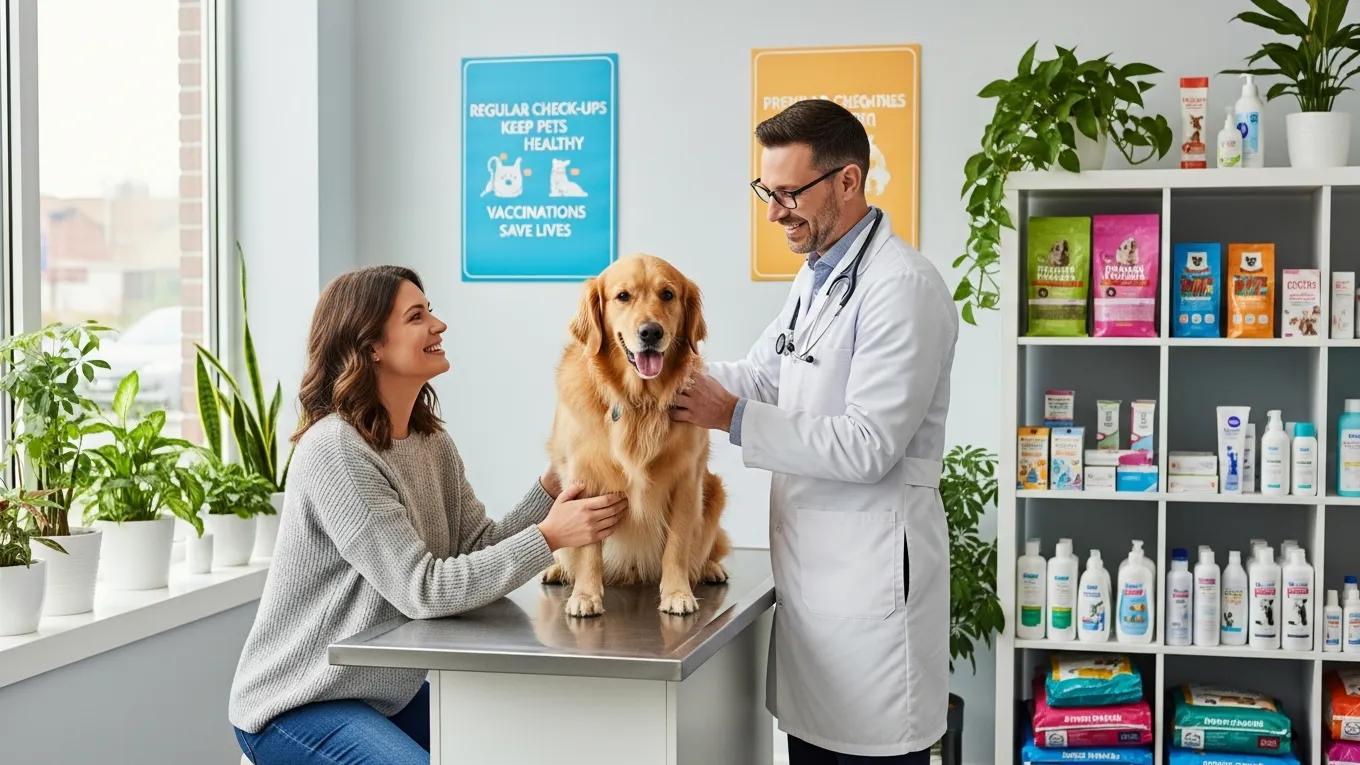
Why Preventive Pet Care Is Essential for Your Pet’s Health: Benefits and Best Practices

By Mike Krajewski, Animal Hospital in Lakewood Ranch | Vet Near You | Wellness Animal Hospital
Preventive pet care keeps your animal healthier for longer by focusing on routine veterinary exams, timely vaccinations and structured wellness plans. These steps catch problems early, reduce the chance of serious illness and help you plan for care. Below we explain why prevention matters, outline the key benefits and offer practical best practices — including how wellness plans work and essential measures like parasite control and dental care.
Importance of Preventive Pet Care

Preventive care prioritises early detection so conditions can be treated before they worsen. Regular exams let your veterinarian tailor vaccinations and screen for hidden problems that owners may not notice. That proactive stance improves your pet’s health and often lowers long‑term treatment costs, reinforcing the principle that preventing disease is more effective and less costly than treating advanced illness.
Annual Pet Health Examinations: Guidelines for Preventive Veterinary Care
The guidelines recommend annual health examinations at minimum, while recognising that many pets need more frequent visits depending on their individual health needs.
Development of new canine and feline preventive healthcare guidelines designed to improve pet health, 2011
Benefits of Preventive Care
Preventive care delivers clear benefits for pets and owners by reducing risk, maintaining comfort and helping manage costs. Key advantages include earlier diagnosis, fewer emergencies and better day‑to‑day wellbeing for your animal.
- Cost Savings: Early detection and treatment of health issues can significantly reduce future veterinary costs, transforming potential emergencies into manageable health plans.
- Improved Quality of Life: Regular check-ups and preventive measures enhance your pet’s overall well-being, enabling them to enjoy a more active and fulfilling life.
- Community Health Benefits: Comprehensive preventive care fosters a healthier pet population, reducing the spread of infectious diseases that can affect not just pets but also their human companions.
Reviewing the specific services below helps show how preventive care translates into those benefits.
| Service | Description | Benefit |
|---|---|---|
| Wellness Plans | Comprehensive health coverage tailored to your pet’s needs. | Predictable costs and ongoing care. |
| Routine Veterinary Exams | Regular health check-ups to monitor overall pet health. | Early detection of health issues. |
| Preventive Vaccinations | Timely vaccinations according to your pet’s health plan. | Protection against infectious diseases. |
This table summarises how routine services combine to protect health over the long term and support predictable, ongoing care.
Best Practices for Maintaining Optimal Wellness
Implementing consistent preventive measures makes the biggest difference. Focus on scheduled vet visits, up‑to‑date vaccinations and a plan for dental and parasite prevention tailored to your pet’s life stage and environment.
- Regular Veterinary Visits: Aim for annual or biannual check-ups, especially as pets age.
- Vaccination Protocols: Stay updated with vaccinations to prevent common diseases relevant to your pet’s lifestyle.
- Dental Care and Parasite Prevention: Regular dental check-ups and preventive measures against parasites should be integral parts of your pet’s health plan.
Make these practices part of your pet’s routine and review the plan with your veterinarian so you can adjust care as needs change.
What Are the Key Benefits of Preventive Veterinary Care?
Preventive veterinary care reduces the likelihood of emergency treatments by identifying issues early. That leads to lower lifetime health costs and better day‑to‑day comfort for pets. It also benefits the wider community by lowering the spread of infectious disease and supporting a healthier pet population.
How Does Preventive Care Improve Your Pet’s Longevity and Quality of Life?
Regular wellness visits increase the chance of catching treatable problems before they become severe, which directly supports longer, healthier lives. Vaccinations protect against life‑threatening diseases, and guidance on diet and exercise helps maintain weight and mobility. Together, these measures keep pets more active and comfortable as they age.
Preventive Care, Nutritional Interventions, and Veterinary Specialization in Promoting Pet Longevity
Summary: Advances in preventive care, nutrition and veterinary specialisation all support longer pet lifespans, although outcomes vary by breed and size. Proactive, tailored strategies are central to improving longevity.
Geroscience, longevity trends, and anti-aging strategies in dogs and cats., PJ Armstrong, 2025
Current research consistently supports the role of preventive medicine in extending lifespan and improving wellbeing for companion animals.
Feline Longevity and Mortality: The Impact of Disease Prevention Strategies
Greater understanding of feline longevity and mortality helps refine care protocols and prevention strategies. Data from primary care practices inform best practices for reducing disease impact.
Longevity and mortality of cats attending primary care veterinary practices in England, DG O’Neill, 2015
What Role Do Wellness Plans Play in Consistent Health Management?
Wellness plans bundle routine services into an organised schedule at predictable cost, encouraging consistent preventive care. By covering core services, these plans reduce financial barriers to regular visits and make it easier to keep vaccines, exams and screenings up to date.
How Often Should Pets Have Routine Health Exams and Vaccinations?
Most pets benefit from annual exams, while older or medically complex animals may need visits every six months. Vaccination frequency varies by vaccine and individual risk; your veterinarian will recommend a schedule based on age, lifestyle and medical history.
Why Is Parasite Prevention Critical for Pets in Florida?
Florida’s warm climate supports year‑round activity for fleas, ticks and mosquitoes, raising the risk of infestations and diseases such as heartworm. Consistent preventive measures — including appropriate medication and environmental controls — are essential to protect pets from these seasonal and persistent threats.
How Can Integrated Parasite Control Protect Your Pet Year-Round?
Integrated parasite control combines continuous preventive medication, regular testing and environmental measures to prevent infestations. Use preventatives recommended for your pet, schedule annual heartworm testing and work with your veterinarian to adjust protocols based on exposure risk.
How Does Dental Health Contribute to Overall Preventive Pet Care?

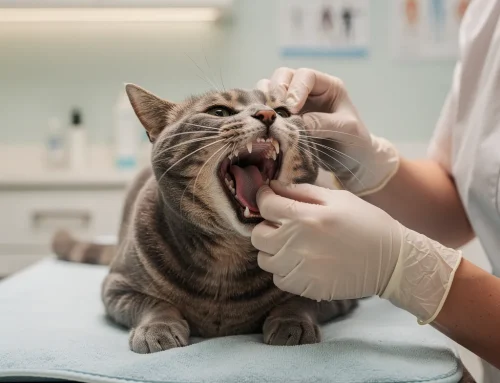
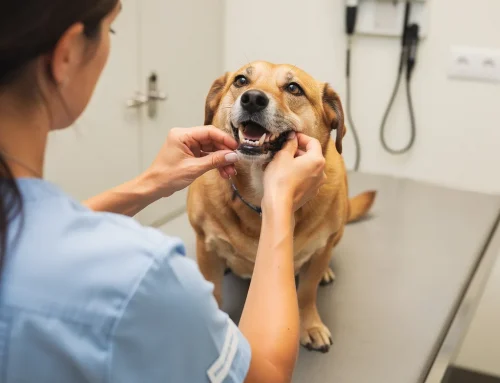
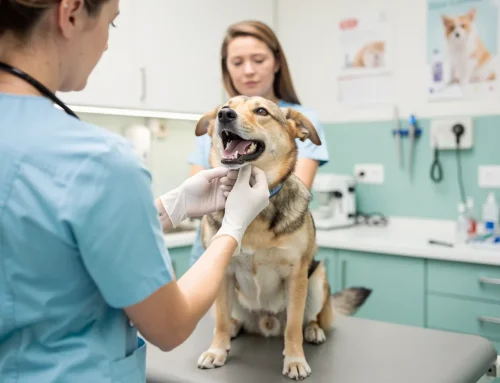
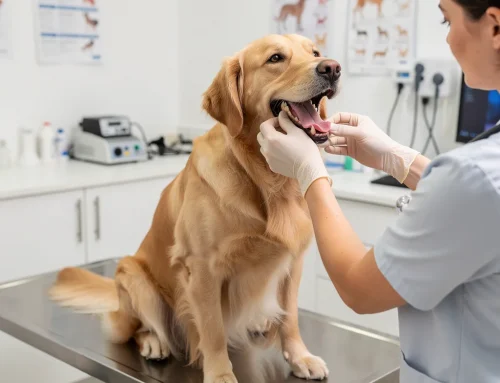
Oral health affects the whole body: untreated dental disease can let bacteria enter the bloodstream and contribute to organ problems. Regular dental checks, professional cleanings and daily home care such as brushing help prevent oral disease and its wider health consequences.
What Are the Signs of Dental Disease in Pets?
Watch for common signs of dental problems: persistent bad breath, red or swollen gums and changes in eating behaviour. These indicators warrant a veterinary exam so treatment can begin before the condition worsens.
How Does Regular Dental Care Prevent Systemic Health Issues?
Routine dental care reduces the bacterial load in the mouth, lowering the chance that oral bacteria will affect the heart, liver or kidneys. Combine professional cleanings and regular vet checks with at‑home brushing and the preventive dental measures outlined by your veterinary team to protect overall health. Preventive dental measures are an important part of that approach.
What Diagnostic Tests Support Early Disease Detection in Pets?
Key diagnostic tests used during routine exams include blood work to assess organ function, thorough physical examinations to find abnormalities and urinalysis to monitor kidney health. These tests give veterinarians objective data to detect disease early.
Regular diagnostic screening helps identify problems when they are usually easier and less costly to treat, supporting better long‑term outcomes for your pet.
How Do Customized Wellness Plans Offer Cost-Effective Pet Health Coverage?
Customized wellness plans group essential services — exams, vaccinations and preventive care — into a predictable package. This simplifies budgeting and ensures pets receive regular care, reducing the likelihood of unexpected, high‑cost treatments down the line.
Frequently Asked Questions
What types of vaccinations are necessary for my pet?
Vaccination needs depend on your pet’s age, breed, lifestyle and location. Core vaccines such as rabies and distemper are generally recommended for all pets; non‑core vaccines are chosen based on exposure risk. Discuss your pet’s specific risks with your veterinarian to build an appropriate vaccine schedule.
How can I tell if my pet is experiencing pain or discomfort?
Pets may show pain through behaviour changes, reduced activity, reluctance to move, vocalising, altered eating or hiding. Look for limping, excessive grooming or unusual posture. If you notice any of these signs, arrange a veterinary evaluation so the cause can be identified and treated.
Can preventive care help with chronic conditions in pets?
Yes. Preventive care enables early detection and ongoing monitoring of chronic diseases like diabetes, arthritis and kidney disease. With regular exams, blood tests and tailored management plans, veterinarians can slow progression, reduce symptoms and help maintain your pet’s quality of life.
What role does nutrition play in preventive pet care?
Nutrition underpins preventive health: a balanced diet tailored to your pet’s needs helps prevent obesity, supports immunity and maintains skin and coat health. Work with your veterinarian to choose the right diet and any supplements required for your pet’s life stage and medical profile.
How can I create a successful preventive care plan for my pet?
Build a plan with your veterinarian starting from routine wellness exams. Include age‑appropriate vaccinations, parasite control, dental care, nutrition advice and exercise recommendations. Set a schedule for follow‑up visits so the plan can be adjusted as your pet’s needs change.
Is pet insurance worth considering for preventive care?
Pet insurance can help manage costs for preventive services depending on the policy. Some plans cover routine exams, vaccinations and preventive medications. Compare policies and discuss coverage details to decide whether insurance fits your financial and preventive care goals.
Conclusion
Investing in preventive care improves your pet’s chances of a longer, healthier life by reducing disease risk and catching problems early. Regular veterinary visits, up‑to‑date vaccinations and a personalised wellness plan protect wellbeing and can lower future costs. Start a conversation with your veterinarian to create and follow a preventive plan tailored to your pet.

Leave A Comment